
Bariatric Surgery Benefits: Complete Guide for Weight Loss and Health
Bariatric Surgery Benefits: Complete Guide for Weight Loss and Health
🚀 Introduction
Bariatric surgery benefits are increasingly attracting attention worldwide as obesity rates continue to rise. This surgical intervention offers long-term solutions for weight loss, improves overall health, and reduces the risk of obesity-related diseases.
Whether you struggle with excessive weight or related health issues like diabetes and high blood pressure, understanding bariatric surgery benefits can help you make an informed decision about this life-changing procedure.
💡 What Is Bariatric Surgery?
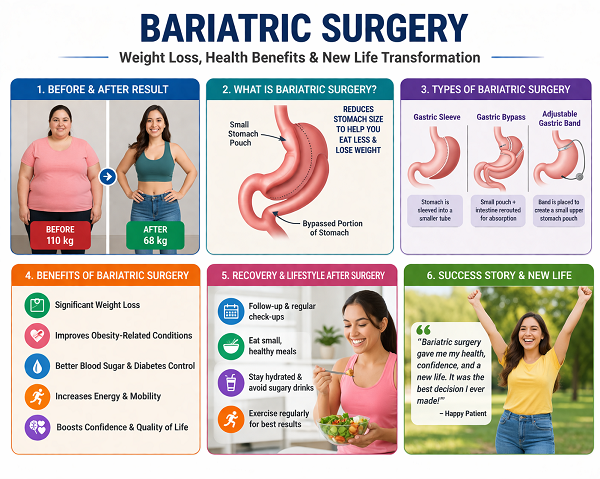
Bariatric surgery, also called weight loss surgery, includes several medical procedures designed to help individuals with obesity lose weight by modifying the digestive system.
The most common types include:
- Gastric Bypass: Creates a small stomach pouch and reroutes the intestines to limit calorie absorption.
- Sleeve Gastrectomy: Removes a portion of the stomach, reducing food intake and hunger hormone production.
- Adjustable Gastric Band: Places a band around the stomach to control food intake.
- Biliopancreatic Diversion with Duodenal Switch (BPD/DS): A complex procedure for severe obesity with high weight loss potential.
Each type offers specific advantages and may be suitable for different patients depending on their health condition and weight loss goals.
https://readsinfo.com/10-proven-ways-to-lose-weight-fast-without-exercise/
💰 Key Bariatric Surgery Benefits
1. Significant Weight Loss
The most obvious bariatric surgery benefit is rapid and sustained weight loss. Studies show patients can lose 50–70% of excess body weight within the first 1–2 years post-surgery.
This weight reduction improves mobility, energy levels, and confidence, helping patients lead a more active lifestyle.
2. Improved Type 2 Diabetes Control
Bariatric surgery benefits extend beyond weight loss. Many patients experience a dramatic improvement or even remission of type 2 diabetes after surgery.
Procedures like gastric bypass can alter gut hormones, improve insulin sensitivity, and lower blood sugar levels, reducing dependence on diabetes medications.
3. Lower Risk of Heart Disease
Obesity is a major risk factor for heart disease. Losing weight through bariatric surgery helps:
- Reduce blood pressure
- Lower cholesterol levels
- Decrease triglycerides
These changes significantly reduce the risk of heart attacks, strokes, and other cardiovascular complications.
4. Relief from Sleep Apnea
Obstructive sleep apnea is common in obese individuals. Bariatric surgery benefits include:
- Reduced fat deposits around the airway
- Improved breathing during sleep
- Decreased daytime fatigue
Many patients experience complete resolution of sleep apnea after successful weight loss.
5. Joint Pain Reduction and Improved Mobility
Excess weight puts pressure on joints, especially knees and hips. Bariatric surgery benefits include:
- Reduced joint pain
- Improved mobility and flexibility
- Easier participation in physical activity
This significantly improves quality of life and supports long-term health.
6. Psychological and Emotional Benefits
Weight loss surgery also impacts mental health. Patients often report:
- Increased self-esteem and confidence
- Reduced anxiety and depression
- Better social interaction
These bariatric surgery benefits enhance overall life satisfaction and promote a healthier lifestyle.
7. Long-Term Health Improvements
Beyond immediate weight loss, bariatric surgery helps reduce the risk of:
- Stroke
- Certain cancers
- Fatty liver disease
- Reproductive problems
Long-term benefits make it a medically recommended option for patients struggling with obesity and related complications.
⚠️ Risks and Considerations
While bariatric surgery benefits are substantial, there are risks to consider:
- Nutrient deficiencies (vitamins and minerals)
- Surgical complications (infection, bleeding)
- Dumping syndrome (especially after gastric bypass)
- Lifestyle adjustments required post-surgery
Patients must commit to a balanced diet, regular exercise, and follow-up care to maximize long-term benefits.
🩺 Who Should Consider Bariatric Surgery?
Candidates for bariatric surgery typically include:
- Individuals with BMI ≥40 (severe obesity)
- Individuals with BMI ≥35 and obesity-related conditions (diabetes, heart disease)
- Patients who have tried diet and exercise without lasting results
A thorough evaluation by a qualified surgeon and medical team ensures safety and effectiveness.
🔑 Tips for Maximizing Bariatric Surgery Benefits
- Follow Nutritional Guidelines: Take recommended vitamins and supplements.
- Commit to Regular Exercise: Helps maintain weight loss and improves cardiovascular health.
- Attend Follow-Up Appointments: Monitor recovery and prevent complications.
- Seek Psychological Support: Counseling helps adjust to lifestyle changes.
- Stay Hydrated: Proper fluid intake supports digestion and overall health.
📊 Conclusion for Bariatric surgery benefits
Bariatric surgery benefits extend far beyond weight loss. From improving diabetes and heart health to enhancing mobility, sleep, and mental well-being, this procedure offers a comprehensive approach to long-term health improvement.
With proper medical guidance, lifestyle changes, and commitment, bariatric surgery can transform lives, offering not only physical benefits but also renewed confidence and emotional wellness.
If you are struggling with obesity or related health issues, consult a qualified bariatric surgeon to explore the potential benefits for your unique situation.