
Best Sleep Routine for Students During Exams (Complete Guide 2026)
Introduction The best sleep routine for students during exams is essential for improving focus, memory, and overall performance. Many students ignore sleep and study late at night, but this habit reduces brain efficiency. A proper sleep schedule helps your brain store information and keeps your energy levels stable. In this guide, you will learn…

Introduction
The best sleep routine for students during exams is essential for improving focus, memory, and overall performance. Many students ignore sleep and study late at night, but this habit reduces brain efficiency.
A proper sleep schedule helps your brain store information and keeps your energy levels stable. In this guide, you will learn how to build a healthy routine, avoid common mistakes, and stay productive during exams.
Moreover, students who maintain a consistent sleep routine often experience lower stress levels and better concentration during long study sessions. Proper rest also supports emotional balance, which is extremely important during exam pressure. In addition, quality sleep improves decision-making skills and helps students remain active throughout the day.
However, irregular sleeping habits can negatively affect memory, mood, and academic performance. Consequently, students may feel tired, distracted, and less motivated while studying. Therefore, creating a balanced routine with proper sleep, healthy eating, and regular study breaks can greatly improve exam preparation. A healthy sleep pattern not only supports better grades but also protects long-term physical and mental health during stressful academic periods.
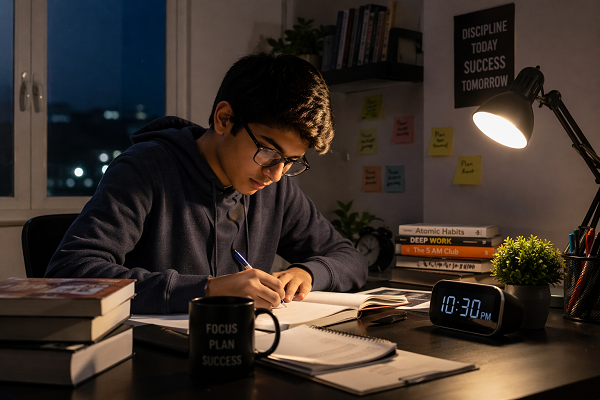
Getting proper sleep is not just rest—it directly affects your academic success.
Key Benefits:
- Improves memory and learning ability
- Increases focus and concentration
- Reduces stress and anxiety
- Keeps your body active and fresh
Students who follow a consistent routine perform better compared to those who stay awake all night.
Best Sleep Routine for Students During Exams – Daily Schedule
Creating a daily routine is simple if you follow these steps. First, students should try to sleep and wake up at the same time every day, even during exam periods. A consistent schedule helps the body maintain a healthy sleep cycle and improves overall energy levels. Moreover, studying difficult subjects during the daytime can improve focus because the brain remains more active and alert.
In addition, students should avoid using mobile phones or laptops at least one hour before bedtime. The blue light from screens can disturb natural sleep patterns and make it harder to fall asleep quickly. Instead, relaxing activities such as reading, light stretching, or deep breathing can help the mind calm down naturally.
Furthermore, students should divide study hours into smaller sessions with short breaks in between. This method reduces mental exhaustion and improves memory retention. Meanwhile, eating light and healthy meals during the evening can also support better sleep quality. Consequently, following a balanced daily routine helps students stay productive, focused, and mentally fresh throughout the exam season.
Step-by-Step Guide:
- Sleep at the same time daily (preferably before 11 PM)
- Wake up early (around 6–7 AM)
- Avoid using mobile before sleep
- Take short study breaks
- Keep your study and sleep time separate
Consistency is the key to maintaining a strong sleep cycle.
Best relax Routine for Students During Exams at Night
Night routine plays a very important role in improving sleep quality. Students who follow healthy nighttime habits often fall asleep faster and wake up feeling more refreshed. Therefore, creating a calm and relaxing environment before bed can improve both mental focus and overall exam performance.
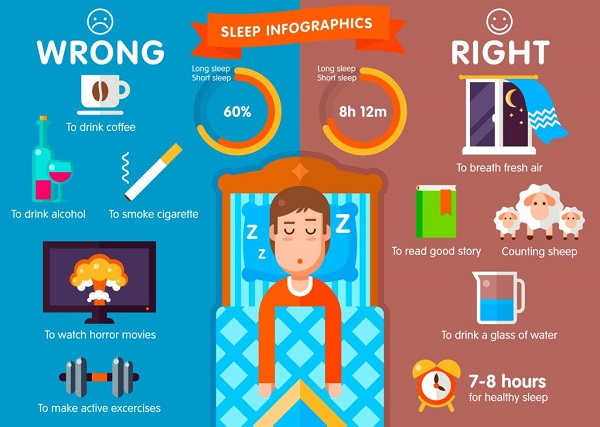
In addition, students should avoid heavy meals, caffeine, and intense study sessions late at night because these habits can disturb the body’s natural sleep cycle. Instead, light revision, meditation, or reading short notes can help the brain relax gradually. Moreover, keeping the bedroom quiet, dark, and comfortable supports deeper and more restful sleep.
Furthermore, students should stop using mobile phones and social media before bedtime because excessive screen time can reduce melatonin production. As a result, sleep quality becomes weaker and concentration levels may decrease the next day. Consequently, maintaining a healthy night routine can improve memory, reduce stress, and help students stay energetic during exams.
Follow these habits:
- Avoid caffeine after evening
- Keep lights dim before sleep
- Do light stretching or reading
- Stay away from screens 30 minutes before bed
These habits signal your brain that it is time to sleep.
Healthy Routine for Students During Exams and Diet
Your diet also affects your sleep quality.
Recommended Foods:
- Milk (rich in calcium)
- Bananas (help relax muscles)
- Eggs (protein for brain health)
- Nuts (improve memory)
Avoid junk food and heavy meals before bedtime as they disturb sleep.
Best nap During Exams Without Stress
Stress is one of the biggest reasons for poor sleep.
Stress Control Tips:
- Practice deep breathing
- Take 5–10 minute breaks
- Do light exercise
- Avoid overthinking
Managing stress helps your mind relax and improves sleep quality.
Cost and Requirements for Best Sleep Routine for Students During Exams
The good news is that maintaining a sleep routine does not require money.
Requirements:
- A quiet and comfortable room
- Proper lighting
- Simple daily schedule
- Self-discipline
This makes it one of the easiest and most effective ways to improve health.
Common Mistakes in Best Sleep Routine for Students During Exams
Many students make mistakes that disturb their sleep cycle during exams. One of the most common problems is staying awake late at night for continuous studying. Although students believe longer study hours improve performance, lack of sleep often reduces concentration, memory, and learning ability. As a result, students may feel mentally exhausted during exams.
In addition, excessive caffeine intake is another major mistake. Many students drink energy drinks, tea, or coffee late at night to stay awake longer. However, too much caffeine can increase stress levels and make it difficult to sleep properly. Moreover, irregular sleeping schedules confuse the body clock and reduce sleep quality over time.
Furthermore, using mobile phones before bedtime negatively affects the brain’s natural sleep process. Social media scrolling and screen exposure can delay sleep and increase mental distraction. Consequently, students may wake up tired and struggle to stay productive throughout the day. Therefore, avoiding these unhealthy habits can help students maintain a balanced sleep routine and improve academic performance during exams.
Avoid these:
- Using mobile late at night
- Drinking energy drinks
- Studying continuously without breaks
- Sleeping at irregular times
Correcting these mistakes can quickly improve your routine.

Tips to Improve Best Sleep Routine for Students During Exams
Here are some expert tips to follow:
- Keep your room cool and comfortable
- Use a fixed bedtime alarm
- Avoid long daytime naps
- Stay physically active
Small changes can bring big improvements in your sleep quality.
Conclusion
The best sleep routine for students during exams is essential for achieving strong academic performance and maintaining overall well-being. A consistent sleep schedule helps improve focus, memory, and concentration, allowing students to study more effectively. When students follow the best sleep routine for students during exams, they can manage stress better and stay mentally alert throughout the day.
In addition, proper sleep supports brain function and helps in retaining information for longer periods. Healthy habits such as eating balanced meals, avoiding late-night screen time, and maintaining a fixed bedtime significantly improve sleep quality. The best sleep routine for students during exams also ensures stable energy levels, which are necessary for long study sessions and exam performance.
Ultimately, students must understand that studying more without sleep is not effective. Instead, following the best sleep routine for students during exams leads to better results, improved health, and long-term academic success.
🔗 Internal Link Suggestions
- https://readsinfo.com/healthy-diet-for-students
- https://readsinfo.com/how-to-improve-focus-while-studying
- https://readsinfo.com/exam-stress-management
🌍 Outbound Link Suggestions
FAQ Section
1. What is the best sleep routine for students during exams?
The best sleep routine for students during exams includes sleeping before 11 PM, waking up early, and maintaining a consistent daily schedule.
2. How many hours should students sleep during exams?
Students should get at least 7–8 hours of sleep to maintain focus, memory, and overall performance.
3. Does sleep improve exam performance?
Yes, proper sleep improves memory retention, concentration, and problem-solving ability, which directly boosts exam performance.
4. Is it good to study late at night during exams?
No, studying late at night can reduce brain efficiency. A proper sleep routine is more effective for learning.
5. Can naps help students during exams?
Yes, short naps of 20–30 minutes can refresh the brain and improve focus without disturbing nighttime sleep.
6. What foods help improve sleep during exams?
Foods like milk, bananas, eggs, and nuts help improve sleep quality and support brain function.
7. How does stress affect sleep during exams?
Stress increases anxiety and makes it harder to fall asleep, which negatively impacts concentration and performance.
8. What should students avoid before sleeping during exams?
Students should avoid caffeine, mobile usage, heavy meals, and energy drinks before bedtime.
9. How can students fix a poor sleep schedule during exams?
Students can fix their routine by sleeping at the same time daily, reducing screen time, and creating a calm bedtime environment.
10. Why is consistency important in a sleep routine?
Consistency helps regulate the body clock, improves sleep quality, and ensures better focus during exams.

Gul Fahad is the founder of Readsinfo and a content creator focused on Artificial Intelligence, Technology, Online Earning, and Education. He shares practical guides, digital learning resources, and real-world insights to help readers develop valuable skills and stay updated with modern trends.