
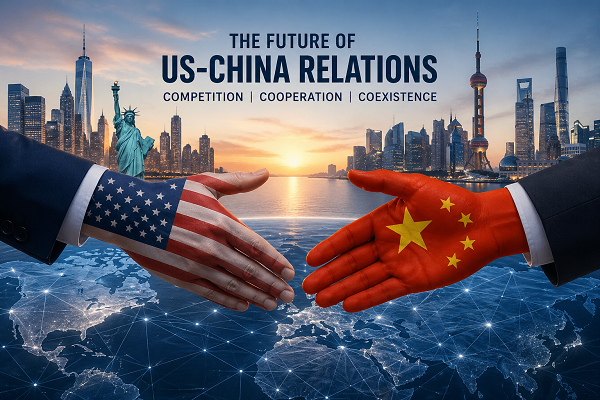
US–China Relations During Trump Presidency Complete Guide
Understanding US Relations with China During Trump Presidency
Introduction on US relations with China during Trump presidency
US relations with China during Trump presidency became one of the most important topics in global politics. The relationship between the United States and China shifted from cooperation to competition and conflict. Under Donald Trump, policies toward China focused on trade, technology, and national security.
This period marked a major turning point in international relations. The decisions made during this time affected not only the two countries but also the global economy. Understanding US relations with China during Trump presidency is essential for students, researchers, and anyone interested in current affairs.
Background of US–China Relations Before Trump
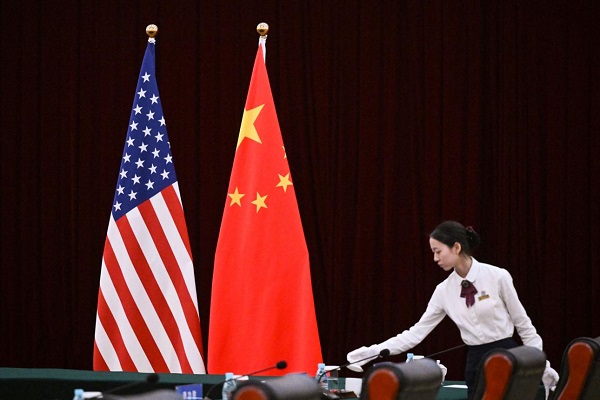
Before Trump’s presidency, the United States and China had a complex but cooperative relationship. Trade between the two countries increased significantly over the years.
China became a major manufacturing hub, while the US remained a leading consumer market. However, tensions already existed over trade imbalance, intellectual property theft, and military influence.
Previous administrations followed a balanced approach. They combined cooperation with strategic competition. However, this approach changed significantly during Trump’s presidency.
US Relations with China During Trump Presidency: Current Situation
During Trump’s time in office, US relations with China during Trump presidency became more confrontational. The administration introduced aggressive policies aimed at reducing dependence on China.
Key developments included:
- Imposition of tariffs on Chinese goods
- Restrictions on Chinese technology companies
- Increased military presence in the Asia-Pacific region
These actions led to a major shift in global power dynamics.
Causes of US–China Conflict During Trump Era
Trade Imbalance
One major reason for tensions was the trade deficit between the US and China. The US imported more goods from China than it exported.
Intellectual Property Issues
The US accused China of copying technology and violating intellectual property rights.
Strategic Competition
China’s rapid economic growth raised concerns in the US. It was seen as a challenge to American global dominance.
Technology Rivalry
Companies like Huawei became central to the conflict. The US viewed Chinese tech expansion as a security risk.
Impact of US Relations with China During Trump Presidency
Positive Impact
Protection of Domestic Industries
Tariffs encouraged local production in the US.
Increased Awareness
Countries became more aware of economic dependencies on China.
Negative Impact
Global Trade Disruption
The trade war affected supply chains worldwide.
Higher Prices
Consumers faced higher costs due to tariffs.
Economic Uncertainty
Businesses experienced instability during the conflict.
Detailed Analysis of Trump’s China Policy
Trump’s approach was different from previous presidents. Instead of cooperation, he focused on confrontation.
The policy aimed to reduce trade deficit and protect national interests. However, this strategy had mixed results.
For example, tariffs increased pressure on China, but they also affected American businesses. Farmers in the US faced losses due to reduced exports.
Another important aspect was technology restrictions. The US banned certain Chinese companies from operating freely. This created a global technology divide.
US–China Trade War During Trump Presidency
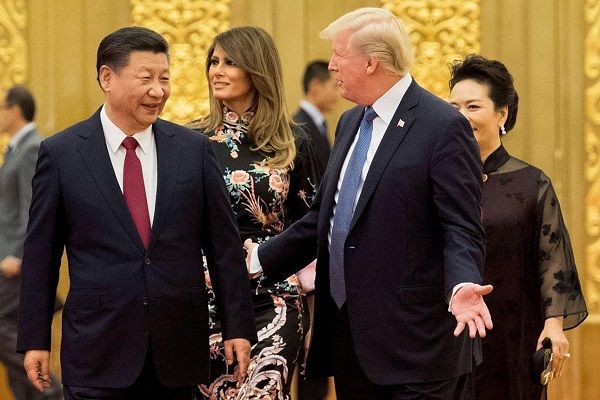
The trade war was a major part of US relations with China during Trump presidency.
Key Actions : US relations with China during Trump presidency
- US imposed tariffs on billions of dollars of Chinese goods
- China responded with its own tariffs
- Negotiations took place multiple times
This back-and-forth conflict created uncertainty in global markets.
Technology War and Security Concerns
The conflict extended beyond trade into technology. The US restricted companies like Huawei.
The concern was that Chinese technology could pose security risks. This led to bans and sanctions.
As a result, global technology companies had to adjust their strategies.
Future Outlook After Trump Presidency
Even after Trump, tensions between the US and China continue. The relationship has not returned to previous levels of cooperation.
Possible Future Trends
- Continued economic competition
- Technological rivalry
- Strategic military positioning
The policies introduced during Trump’s presidency have had long-term effects.
Real-Life Example
A US company importing goods from China had to pay higher tariffs. As a result, product prices increased.
Similarly, Chinese companies faced restrictions in the US market. This shows how policies affected real businesses.
Conclusion on US relations with China during Trump presidency
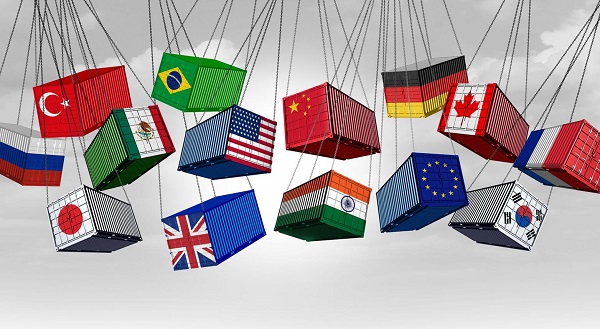
US relations with China during Trump presidency marked a major shift in global politics. The relationship changed from cooperation to competition and conflict.
While the policies aimed to protect national interests, they also created economic challenges. The long-term effects are still visible today.
In conclusion, US relations with China during Trump presidency reshaped international relations. It highlighted the importance of balancing competition with cooperation.
11. Internal Links
- https://readsinfo.com/future-of-ecommerce
- https://readsinfo.com/best-ecommerce-platforms-2026
- https://readsinfo.com/how-to-earn-money-from-amazon-in-2026
12. External Links
13. FAQs on US relations with China during Trump presidency
1. What caused US–China tensions during Trump presidency?
Trade imbalance, technology rivalry, and strategic competition were the main causes.
2. What was the US–China trade war?
It was a conflict involving tariffs imposed by both countries on each other’s goods.
3. How did Trump change US–China relations?
He shifted the approach from cooperation to confrontation and economic pressure.
4. What was the impact of the trade war?
It disrupted global trade, increased prices, and created economic uncertainty.
5. Are US–China relations still tense today?
Yes, tensions continue due to competition in trade, technology, and global influence.
6. What was the main goal of Trump’s China policy?
The main goal was to reduce the trade deficit, protect US industries, and limit China’s global influence.
7. How did tariffs affect US–China relations during Trump presidency?
Tariffs increased tensions, reduced trade cooperation, and led to a full trade war between the two countries.
8. What role did technology play in US–China conflict?
Technology was a major factor, as the US restricted Chinese companies like Huawei due to security concerns.
9. How did the trade war impact global markets?
It created uncertainty, disrupted supply chains, and affected global economic growth.
10. Did US farmers benefit from Trump’s China policies?
Many US farmers faced losses because China reduced imports of agricultural products from the US.
11. How did China respond to US policies during Trump presidency?
China imposed retaliatory tariffs and strengthened its own economic and technological strategies.
12. What was the Phase One trade deal between the US and China?
It was an agreement where China promised to increase imports from the US, and the US reduced some tariffs.
13. How did US–China relations affect other countries?
Many countries were impacted through changes in trade routes, supply chains, and global economic policies.
14. Was the trade war successful for the US?
The results were mixed, as it pressured China but also caused economic challenges for US businesses.
15. What is the long-term impact of Trump’s China policy?
It strengthened competition between the US and China and shaped future global political and economic relations.