
Heart Attack: Causes, Symptoms, and First Aid Explained
Heart Attack: Causes, Symptoms, and First Aid Explained
Introduction
Heart attack causes symptoms and first aid is a critical topic in modern health awareness. A heart attack is a life-threatening condition that occurs when blood flow to the heart is blocked. As a result, the heart muscle begins to suffer damage.
In today’s fast-paced lifestyle, heart diseases are increasing rapidly. Therefore, understanding the causes, recognizing symptoms, and knowing first aid can save lives. Moreover, early response plays a key role in reducing serious complications.
This article explains heart attack causes symptoms and first aid in a simple and clear way. It helps individuals prepare for emergencies and protect their health.
Background of Heart Attack
What is a Heart Attack
A heart attack, also known as myocardial infarction, occurs when the supply of oxygen-rich blood to the heart is reduced or completely blocked. This blockage usually happens due to the buildup of fat, cholesterol, and other substances in the arteries.
Development of Heart Disease
Over time, unhealthy habits such as poor diet and lack of exercise lead to the narrowing of arteries. As a result, blood flow becomes restricted. Therefore, the risk of heart attack increases significantly.
Importance of Awareness
In the past, heart attacks were more common in older people. However, today even young individuals are affected. Therefore, awareness is essential for prevention and early treatment.
Current Situation of Heart Attacks
Rising Cases Worldwide
Currently, heart diseases are one of the leading causes of death globally. As a result, millions of people are affected every year.
Lifestyle Changes
Modern lifestyle habits such as stress, unhealthy eating, and lack of physical activity are major contributors. Therefore, heart health has become a serious concern.
Need for Immediate Action
Moreover, many people ignore early warning signs. As a result, delays in treatment increase the risk of death. Therefore, quick response and first aid knowledge are essential.
Causes of Heart Attack
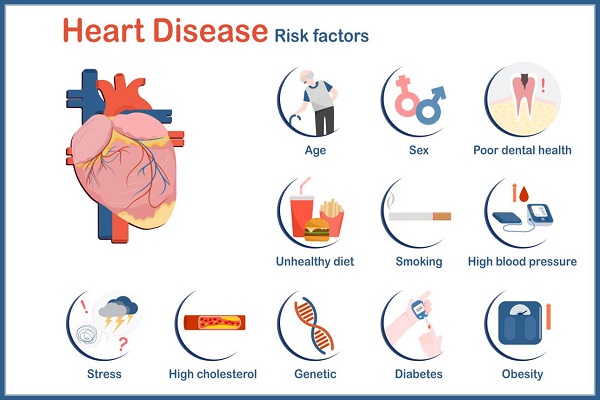
Unhealthy Diet
One of the main causes of heart attack is an unhealthy diet. Foods high in fat, salt, and sugar increase cholesterol levels. As a result, arteries become blocked.
Lack of Physical Activity
In addition, a sedentary lifestyle weakens the heart. Therefore, regular exercise is important for maintaining heart health.
Smoking and Alcohol
Moreover, smoking damages blood vessels and reduces oxygen supply. Excessive alcohol consumption also increases blood pressure.
Stress and Mental Pressure
Furthermore, high stress levels affect heart function. As a result, the risk of heart attack increases.
Medical Conditions
Conditions such as diabetes, high blood pressure, and obesity also contribute to heart attacks. Therefore, managing these conditions is essential.
Symptoms of Heart Attack
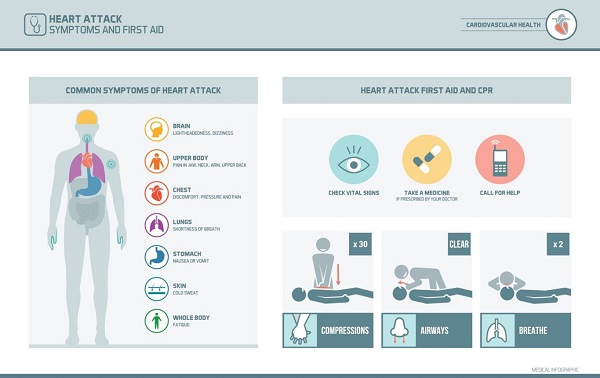
Chest Pain
The most common symptom is chest pain or discomfort. It may feel like pressure, tightness, or squeezing.
Shortness of Breath
In addition, breathing difficulty may occur even without physical activity.
Pain in Other Areas
Moreover, pain may spread to the arms, neck, jaw, or back. Therefore, it should not be ignored.
Sweating and Nausea
Excessive sweating, dizziness, and nausea are also warning signs.
Fatigue
Some people experience unusual tiredness before a heart attack. Therefore, early symptoms must be recognized.
First Aid for Heart Attack
Call Emergency Services
The first step is to call emergency help immediately. Therefore, quick medical support is essential.
Keep the Person Calm
In addition, make the person sit or lie down. Keep them calm to reduce stress on the heart.
Give Aspirin (If Available)
If recommended, give aspirin to help thin the blood. However, it should only be given if safe.
Perform CPR if Needed
If the person becomes unconscious, CPR should be started immediately. Therefore, basic first aid training is important.
Avoid Delay
Moreover, do not wait for symptoms to disappear. Immediate action can save life.
Impact of Heart Attacks
Health Impact
Heart attacks can cause permanent damage to the heart. As a result, long-term health problems may occur.
Economic Impact
In addition, treatment costs can be high. Therefore, prevention is more effective than treatment.
Emotional Impact
Families are also affected emotionally. Therefore, awareness and prevention are necessary.
Analysis of Heart Attack Situation
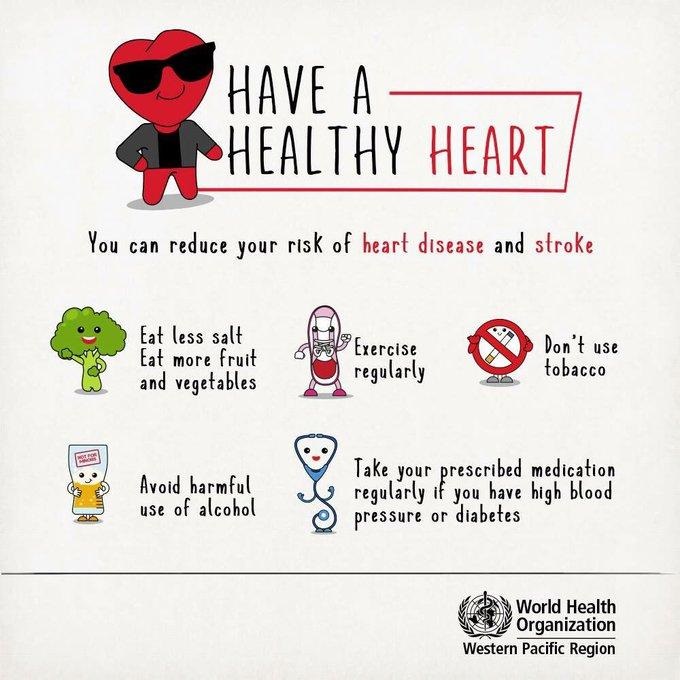
Heart attack causes symptoms and first aid highlight the importance of preventive healthcare. Modern lifestyle is a major factor behind increasing cases.
For example, unhealthy eating habits contribute significantly. However, simple lifestyle changes can reduce risk. Therefore, awareness plays a key role.
Moreover, early detection improves survival rates. As a result, education about symptoms and first aid is essential.
In addition, governments and health organizations must promote awareness campaigns. Therefore, society can reduce heart-related deaths.
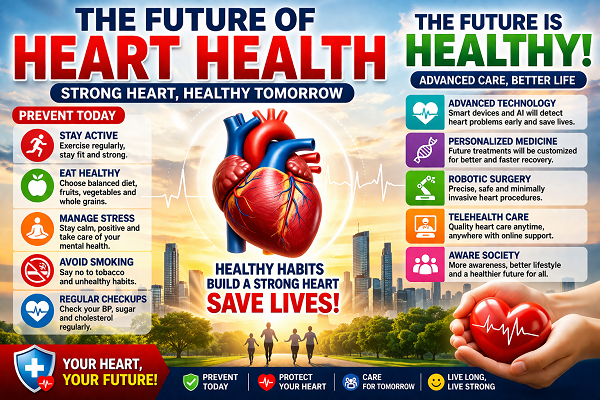
Future Outlook of Heart Health
Improved Medical Technology
Future advancements will improve diagnosis and treatment. Therefore, survival rates will increase.
Preventive Healthcare
Moreover, focus will shift towards prevention. Healthy lifestyle choices will become more important.
Public Awareness
In addition, awareness programs will educate people. As a result, early detection will improve.
Lifestyle Changes
Furthermore, people are becoming more health-conscious. Therefore, the risk of heart attacks may decrease in the future.
Conclusion
Heart attack causes symptoms and first aid is an essential topic for everyone. It helps individuals understand risks and respond effectively in emergencies.
Heart attacks can be prevented through healthy lifestyle choices. However, recognizing symptoms and providing first aid can save lives.
In conclusion, awareness, prevention, and quick action are the key factors in reducing heart-related deaths. Therefore, everyone should learn basic first aid and maintain a healthy lifestyle.
Internal Links
- https://readsinfo.com/what-is-inflation
- https://readsinfo.com/global-economic-crisis-explained
- https://readsinfo.com/how-currency-works
- https://readsinfo.com/financial-stability-explained
External Links
FAQs
What causes a heart attack?
Heart attacks are caused by blocked arteries due to cholesterol and fat buildup.
What are the early signs of a heart attack?
Chest pain, shortness of breath, and fatigue are common early signs.
What should you do during a heart attack?
Call emergency services immediately and provide first aid if needed.
Can heart attacks be prevented?
Yes, healthy lifestyle choices can reduce the risk.
Why is first aid important in heart attack?
First aid can save lives by providing immediate support before medical help arrives.
What is the difference between a heart attack and cardiac arrest?
A heart attack occurs due to blocked blood flow, while cardiac arrest happens when the heart suddenly stops beating.
Can young people have a heart attack?
Yes, due to stress, poor diet, smoking, and lack of exercise, heart attacks are increasing among young people.
How long does a heart attack last?
A heart attack can last for several minutes or longer. Therefore, immediate medical attention is necessary.
Is chest pain always a sign of a heart attack?
Not always, but severe or persistent chest pain should never be ignored as it may indicate a serious problem.
What foods increase the risk of heart attack?
Foods high in fat, salt, and sugar increase cholesterol levels. As a result, they raise the risk of heart disease.
Can exercise prevent heart attacks?
Yes, regular physical activity strengthens the heart and reduces the risk of heart attacks.
How does stress affect heart health?
Stress increases blood pressure and heart rate. Therefore, it can contribute to heart problems over time.
What should be avoided during a heart attack emergency?
Do not ignore symptoms or delay calling emergency services. Therefore, quick action is essential.
Is aspirin always safe during a heart attack?
Aspirin can help, but it should only be given if recommended by a medical professional.
How can heart attacks be detected early?
Regular medical checkups, monitoring blood pressure, and checking cholesterol levels help in early detection.