Impact of 5G Technology on Internet Speed and Connectivity Explained
Introduction The impact of 5G technology on internet speed and connectivity is one of the most important developments in modern communication. As technology advances, the demand for faster and more reliable internet continues to grow. Therefore, 5G technology is emerging as a revolutionary solution. 5G, or fifth-generation wireless technology, offers significantly higher speeds and lower…
Introduction
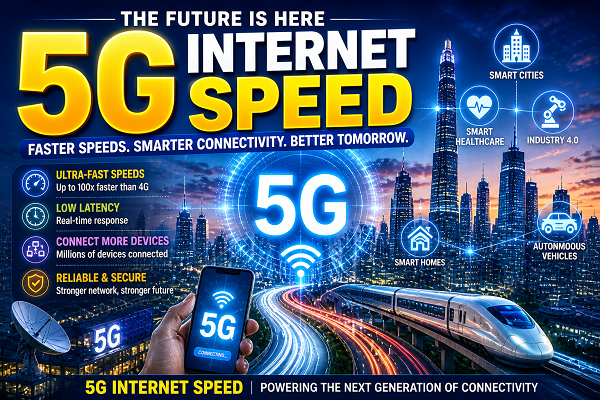
The impact of 5G technology on internet speed and connectivity is one of the most important developments in modern communication. As technology advances, the demand for faster and more reliable internet continues to grow. Therefore, 5G technology is emerging as a revolutionary solution.
5G, or fifth-generation wireless technology, offers significantly higher speeds and lower latency compared to previous generations. As a result, it enables seamless connectivity for devices and users. Moreover, it supports advanced applications such as smart cities, autonomous vehicles, and remote healthcare.
Understanding the impact of 5G technology on internet speed and connectivity helps us see how the digital world is evolving. It highlights the future of communication and global connectivity.
Background of 5G Technology
5G technology is the latest generation of mobile communication systems, developed after the evolution of 1G, 2G, 3G, and 4G networks. Earlier generations mainly focused on voice communication and basic internet services.
However, with the rapid growth of smartphones, streaming platforms, and digital services, the demand for faster and more reliable internet increased significantly. As a result, 5G technology was introduced to provide high-speed data transmission, low latency, and the ability to connect multiple devices simultaneously.
In addition, it supports advanced technologies such as the Internet of Things (IoT), artificial intelligence, and smart cities. Therefore, 5G plays a crucial role in modern communication systems and represents a major step forward in wireless technology development.
Evolution from 1G to 5G Internet Speed
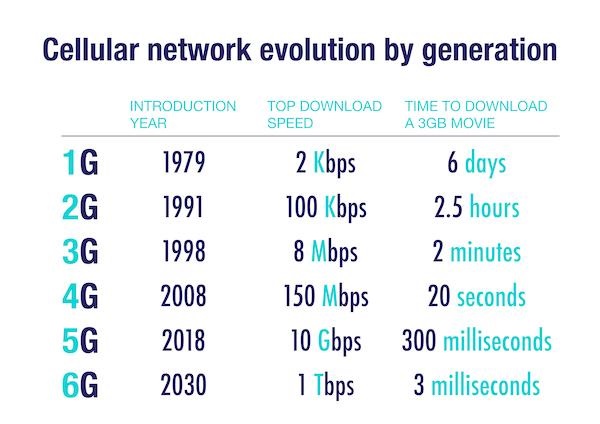
Wireless communication has evolved from 1G to 5G over several decades. Each generation improved speed, capacity, and connectivity. However, 5G represents a major leap forward.
Limitations of Previous Networks
Earlier technologies like 3G and 4G had limitations in speed and latency. As a result, they struggled to support modern applications such as streaming and real-time communication.
Need for Faster Connectivity
Moreover, the increasing use of smartphones and digital services created the need for faster internet. Therefore, 5G technology was developed to meet these demands.
Current Situation of 5G Internet Speed
Global Expansion of 5G Networks
Currently, many countries are adopting 5G technology. Telecom companies are investing heavily in infrastructure. As a result, coverage is expanding worldwide.
Increased Device Connectivity
In addition, more devices are being connected to the internet. Therefore, this network supports a large number of devices without slowing down performance.
Role of Telecom Companies
Moreover, companies like Huawei, Ericsson, and Nokia are leading development. As a result, competition is driving innovation.
Causes Behind the Rise of 5G Technology
Growing Demand for High-Speed Internet
One major cause is the increasing demand for faster internet. Users expect quick downloads and smooth streaming. Therefore, this technology provides the necessary speed.
Rise of Smart Devices
Moreover, smart devices such as IoT gadgets require constant connectivity. As a result, advanced networks support these devices efficiently.
Technological Advancements
In addition, advancements in wireless systems have made this possible. Therefore, better infrastructure supports faster communication.
Digital Transformation
Furthermore, businesses are shifting to digital platforms. As a result, high-speed internet has become essential for operations.
Impact of 5G Technology on Internet Speed and Connectivity
Faster Internet Speeds : 5G internet speed
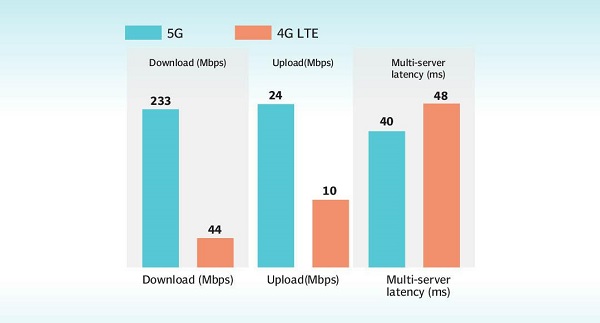
One of the biggest impacts of 5G technology on internet speed and connectivity is increased speed. 5G can deliver speeds up to 100 times faster than 4G. Therefore, downloading large files becomes quicker.
Reduced Latency
In addition, 5G reduces latency significantly. This means data is transmitted almost instantly. As a result, real-time applications like gaming and video calls improve.
Improved Connectivity
Moreover, 5G enhances network reliability. Users experience fewer disruptions. Therefore, connectivity becomes more stable.
Support for Multiple Devices : 5G internet speed
Furthermore, 5G can connect millions of devices simultaneously. As a result, smart cities and IoT systems function efficiently.
Analysis of 5G Technology Impact : 5G internet speed
The impact of 5G technology on internet speed and connectivity is transformative. It changes how people interact with technology.
For example, faster speeds improve productivity. However, infrastructure costs remain high. Therefore, investment is necessary.
Moreover, connectivity improves global communication. As a result, businesses can operate internationally. However, security concerns must be addressed.
In addition, 5G supports innovation. Technologies like AI and IoT depend on fast networks. Therefore, 5G acts as a foundation for future advancements.
Future Outlook of 5G Technology
Expansion of Global Connectivity
The future of 5G technology looks promising. Networks will expand to rural and urban areas. As a result, more people will access high-speed internet.
Growth of Smart Cities : 5G internet speed
Moreover, 5G will support smart cities. Therefore, transportation, healthcare, and infrastructure will improve.
Integration with Emerging Technologies
In addition, 5G will integrate with AI and IoT. As a result, automation and efficiency will increase.
Economic Development
Furthermore, 5G will contribute to economic growth. Businesses will benefit from faster communication.
Conclusion : 5G internet speed
The impact of 5G technology on internet speed and connectivity is reshaping the digital world. It provides faster speeds, lower latency, and improved connectivity. Therefore, it supports modern applications and innovations.
However, challenges such as high costs and security risks remain. Therefore, proper planning and investment are required.
In conclusion, 5G technology represents the future of communication. Its impact will continue to grow as technology advances.
Internal Links : 5G internet speed
- https://readsinfo.com/how-currency-works
- https://readsinfo.com/global-economic-crisis-explained
- https://readsinfo.com/financial-stability-explained
- https://readsinfo.com/what-is-inflation
External Links : 5G internet speed
FAQs : 5G Internet Speed
What is 5G technology?
5G is the fifth generation of wireless communication that offers faster speeds and better connectivity.
How does 5G improve internet speed?
It provides higher bandwidth and lower latency, making data transfer faster.
What are the benefits of 5G connectivity?
Benefits include faster speed, better reliability, and support for multiple devices.
What challenges does 5G face?
Challenges include high costs, infrastructure needs, and security concerns.
What is the future of 5G technology?
5G will expand globally and support advanced technologies like AI and smart cities.
How does 5G technology improve connectivity in rural areas?
5G technology can extend high-speed internet to remote areas through advanced network systems. As a result, rural communities can access better communication and digital services.
What industries benefit the most from 5G technology?
Industries such as healthcare, education, transportation, and manufacturing benefit greatly. Therefore, 5G improves efficiency and innovation across sectors.
How does 5G technology support the Internet of Things (IoT)?
5G allows multiple devices to connect simultaneously without slowing down. As a result, smart homes and smart cities function more efficiently.
Is 5G technology faster than Wi-Fi?
5G can provide speeds similar to or faster than traditional Wi-Fi. However, performance depends on network coverage and infrastructure.
What is latency in 5G technology?
Latency is the time taken for data to travel between devices. In 5G, latency is very low, which improves real-time communication.
How does 5G impact online gaming and streaming?
5G reduces lag and buffering. Therefore, users experience smoother gaming and high-quality video streaming.
What are the security risks associated with 5G technology?
5G networks may face cyber threats and data privacy issues. Therefore, strong security measures are required.
How does 5G technology help smart cities?
5G enables real-time data sharing and automation. As a result, transportation, energy, and public services improve.
Will 5G replace existing internet technologies?
5G will enhance current systems rather than completely replace them. Therefore, it will work alongside existing technologies.
How does 5G technology affect businesses?
5G improves communication speed and efficiency. As a result, businesses can operate faster and expand globally.

Gul Fahad is the founder of Readsinfo and a content creator focused on Artificial Intelligence, Technology, Online Earning, and Education. He shares practical guides, digital learning resources, and real-world insights to help readers develop valuable skills and stay updated with modern trends.