
Power of Dua in Islam: How to Make Dua for Success, Forgiveness, and Peace
Introduction Life often becomes difficult when people face stress, fear, sadness, or uncertainty. However, Islam teaches Muslims that no problem is too big for Allah. The power of dua in Islam gives believers hope, peace, and spiritual strength during difficult moments of life. Dua is one of the most beautiful acts of worship in…

Table of Contents
ToggleIntroduction
Life often becomes difficult when people face stress, fear, sadness, or uncertainty. However, Islam teaches Muslims that no problem is too big for Allah. The power of dua in Islam gives believers hope, peace, and spiritual strength during difficult moments of life.
Dua is one of the most beautiful acts of worship in Islam. Moreover, it allows Muslims to speak directly to Allah without any barrier. Whether someone wants forgiveness, success, guidance, or peace, dua becomes a powerful source of comfort and connection with Allah.
Furthermore, Muslims around the world make dua every day for health, family, education, work, and protection. Consequently, dua strengthens faith and reminds believers that Allah always listens to sincere prayers. The power of dua in Islam also teaches patience, trust, and gratitude.
In addition, the power of dua helps believers remain emotionally strong during hardship and uncertainty. Many Muslims turn toward dua when facing personal struggles, financial problems, health issues, or emotional stress.
Therefore, sincere prayer becomes a source of hope and spiritual comfort in everyday life. Moreover, dua reminds people that Allah’s mercy and wisdom are greater than every difficulty. As a result, believers develop stronger faith, patience, and trust while continuing to seek guidance and blessings from Allah.

Importance of Dua in Islam and power
Dua as a Direct Connection With Allah
Dua creates a direct relationship between a believer and Allah. Unlike worldly systems, Muslims do not need intermediaries to speak to their Creator. Therefore, every Muslim can ask Allah for help at any time.
Moreover, dua increases emotional peace and spiritual satisfaction. Many people feel calmer after sincerely making dua because they place their trust in Allah’s wisdom and mercy.
Dua Is an Act of Worship
In Islam, dua is not only a request but also an important form of worship. Specifically, making dua shows humility, dependence, and faith in Allah. Consequently, Muslims are encouraged to make dua regularly during both easy and difficult times.
Furthermore, the Prophet Muhammad ﷺ frequently made dua for guidance, forgiveness, and protection. Therefore, Muslims follow his example by including dua in daily life.
Spiritual Strength Through of power of dua in Islam
Life challenges often create stress and hopelessness. However, sincere dua helps believers remain spiritually strong. In addition, it reminds Muslims that Allah controls every situation and outcome.
As a result, many Muslims experience emotional relief and renewed hope after praying sincerely to Allah.
Why Muslims Make Dua
Seeking Forgiveness From Allah
One of the main reasons Muslims make dua is to seek forgiveness. Every person makes mistakes and sins during life. Therefore, Islam encourages believers to ask Allah for mercy and forgiveness continuously.
Moreover, Allah loves those who sincerely repent and return to Him. Consequently, forgiveness duas hold special importance in Islamic teachings.
Asking for Success and Guidance
Muslims also make dua for success in education, work, business, family life, and personal goals. Specifically, students often pray for knowledge, focus, and good results in exams.
Furthermore, people ask Allah for guidance before making important life decisions. As a result, dua becomes an essential part of a Muslim’s daily routine.
Finding Peace and Comfort
Modern life often causes anxiety and emotional stress. However, dua provides inner peace and emotional stability. In addition, remembering Allah helps calm the heart during difficult situations.
Consequently, many Muslims use dua to reduce fear, sadness, and worry.
Best Times to Make Dua
Power of Dua in Islam During Tahajjud
Tahajjud is one of the most powerful times for making dua. Specifically, the last part of the night is considered highly blessed in Islam. During this peaceful time, believers pray sincerely and seek Allah’s mercy, forgiveness, and guidance.
Moreover, many Muslims wake up before Fajr prayer to make dua for success, protection, peace, and personal needs. Consequently, Tahajjud prayer strengthens spiritual connection and increases emotional peace. Islamic teachings also describe this time as spiritually special because distractions are fewer and the heart feels calmer.
Furthermore, sincere prayers during Tahajjud often help believers feel closer to Allah. Therefore, many people use this blessed time to seek forgiveness and ask for important life goals.
Dua Between Adhan and Iqamah
Islamic teachings encourage Muslims to make dua between the Adhan and Iqamah. Furthermore, this time is considered spiritually special and full of blessings. Many scholars explain that duas made during this period are highly valuable and meaningful.
Consequently, many believers use this opportunity to ask Allah for personal, family, educational, and financial needs. Moreover, making dua before congregational prayer increases focus and spiritual reflection.
In addition, this moment reminds Muslims to pause from worldly distractions and turn sincerely toward Allah. Therefore, many people regularly include personal duas during this blessed time in the mosque.
Power of Dua in Islam While Fasting
Dua during fasting holds special importance in Islam. In addition, the time before breaking the fast is especially recommended for sincere prayers. Muslims believe fasting increases spiritual discipline and strengthens connection with Allah.
As a result, Muslims increase dua during Ramadan and voluntary fasting days. Moreover, believers often ask Allah for forgiveness, mercy, health, and guidance while fasting because the heart feels softer and more humble.
Furthermore, fasting teaches patience and gratitude. Therefore, combining fasting with sincere dua creates a stronger spiritual experience and emotional peace.
How to Make Power of Dua in Islam Properly
Start With Praise and Salawat
Muslims should begin dua by praising Allah and sending blessings upon Prophet Muhammad ﷺ. Specifically, this shows respect, sincerity, and proper Islamic etiquette during prayer.
Moreover, Islamic scholars recommend starting and ending dua with salawat because it increases the beauty and spiritual value of prayer. Consequently, believers develop stronger humility and focus while making dua.
In addition, praising Allah before asking for personal needs reminds Muslims about Allah’s greatness, mercy, and blessings. Therefore, this method helps create a more sincere and meaningful spiritual connection during dua.
Ask With Sincerity and Full Faith
Dua should always be made with sincerity and complete trust in Allah. Furthermore, Muslims should ask with hope and confidence instead of doubt or impatience.
Moreover, sincere prayers come from the heart and reflect genuine belief in Allah’s power and wisdom. Consequently, believers often feel emotional comfort and spiritual peace after making heartfelt dua.
In addition, Islam teaches that Allah listens to every sincere prayer even when answers are delayed. Therefore, Muslims should continue making dua with patience and strong faith.
Make Dua With Patience and Consistency
Some people stop making dua if they do not see immediate results. However, Islam teaches believers to remain patient and continue praying regularly.
Furthermore, Allah may answer prayers differently or at a better time according to His wisdom. Consequently, Muslims are encouraged to trust Allah’s timing and continue seeking guidance through dua.
Moreover, consistency in dua strengthens faith and improves spiritual discipline. Therefore, regular prayer becomes an important part of a Muslim’s daily life and emotional well-being.
Ask With Sincerity and Faith
Dua should come from the heart with complete sincerity and trust in Allah. Furthermore, Muslims should avoid making dua carelessly or without focus.
Consequently, sincere prayers often strengthen emotional and spiritual connection with Allah.
Be Patient After Making Dua
Sometimes people expect immediate results after making dua. However, Islam teaches patience and trust in Allah’s timing.
In addition, Allah may answer prayers differently than expected because He knows what is best for every believer.
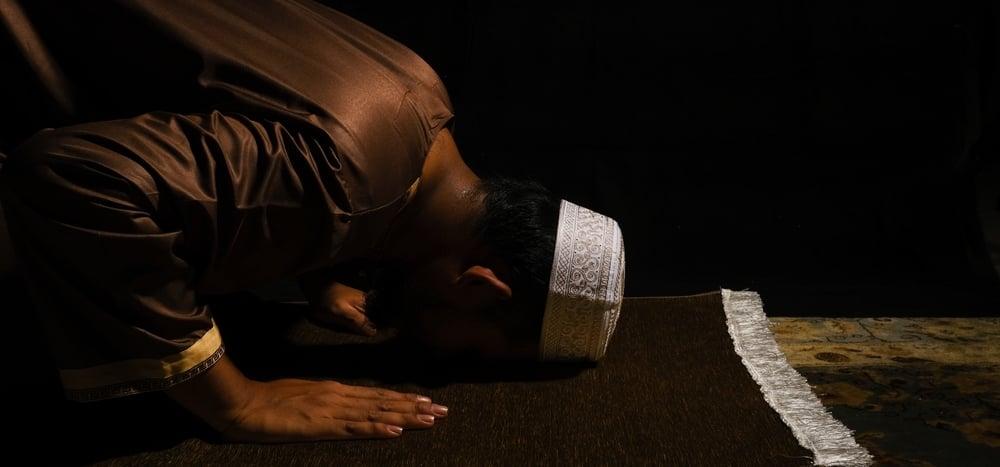
Power of Dua in Islam for Forgiveness
Allah Loves Those Who Repent
Islam teaches that Allah is Most Merciful and Most Forgiving. Therefore, no sin is too great when someone sincerely repents and asks for forgiveness.
Moreover, forgiveness duas help cleanse the heart and strengthen faith.
Daily Istighfar and Forgiveness
Many Muslims regularly recite Astaghfirullah to seek forgiveness. Furthermore, daily istighfar increases spiritual peace and humility.
Consequently, believers feel spiritually lighter and emotionally calmer after sincere repentance.
Forgiveness Brings Inner Peace
Holding guilt and regret can create emotional pain. However, seeking Allah’s forgiveness brings comfort and hope.
In addition, forgiveness duas remind Muslims that Allah’s mercy is greater than human mistakes.
Power of Dua in Islam for Success
power of dua in Islam for Education and Knowledge
Students often make dua before studying and exams. Specifically, they ask Allah for understanding, memory, and success.
Moreover, Islamic teachings encourage seeking beneficial knowledge. Therefore, education-related duas are very common among Muslim students.
Dua for Rizq and Career Success
Muslims also make dua for halal income, successful careers, and business growth. Furthermore, they believe Allah controls provision and opportunities.
Consequently, many believers combine hard work with sincere prayer for success.
Success With Patience and Faith
Islam teaches that true success requires patience, effort, and trust in Allah. Therefore, dua should accompany action and responsibility.
As a result, Muslims continue working hard while depending on Allah’s guidance and blessings.
Benefits of Daily Dua
Stronger Relationship With Allah
Daily dua strengthens the connection between believers and Allah. In addition, regular prayer increases spiritual awareness and gratitude.
Consequently, Muslims feel closer to Allah during both happiness and hardship.
Emotional and Mental Peace for Dua in Islam
Dua helps reduce stress, anxiety, and emotional pressure. Moreover, speaking to Allah provides comfort during difficult moments.
Therefore, many Muslims experience emotional stability through regular remembrance and dua.
Increased Hope and Positivity
Believers who make dua regularly often feel more hopeful and positive. Specifically, they trust Allah’s wisdom even during hardships.
As a result, dua improves emotional resilience and patience.
Common Mistakes While Making power of dua in Islam
Losing Patience Quickly
Some people stop making dua if results do not appear immediately. However, Islam teaches believers to remain patient and hopeful.
Furthermore, Allah answers prayers in the best possible way and timing.
Making Dua Without Attention
Dua should not become a rushed or careless habit. In contrast, Muslims should focus sincerely while speaking to Allah.
Consequently, mindful dua creates stronger spiritual impact.
Forgetting Gratitude
Many people only make dua during problems. However, Muslims should also thank Allah during times of happiness and success.
In addition, gratitude increases blessings and strengthens faith.
Deep Spiritual Impact of Dua
Dua Strengthens Faith
Sincere dua reminds Muslims that Allah controls every situation. Therefore, believers feel spiritually stronger during difficult times.
Moreover, faith grows when people consistently turn toward Allah.
Building Patience and Humility
Dua teaches humility because believers recognize their dependence on Allah. Furthermore, waiting for Allah’s response builds patience and emotional maturity.
Consequently, dua improves both character and spirituality.

Hope During Difficult Times
Every person experiences sadness, failure, and hardship in life. However, the power of dua in Islam gives believers hope and emotional comfort.
As a result, Muslims continue trusting Allah even during painful situations.
Conclusion for power of dua in Islam
The power of dua among muslims is one of the greatest spiritual gifts for believers. Dua connects Muslims directly with Allah and provides peace, guidance, forgiveness, and hope during every stage of life.
Moreover, sincere dua strengthens faith, improves emotional well-being, and reminds believers that Allah always listens. Whether someone seeks success, forgiveness, protection, or peace, the power of dua for muslims remains a source of comfort and spiritual strength for every Muslim.
Furthermore, Muslims should never underestimate the importance of making dua consistently in daily life. Even during difficult moments, believers are encouraged to remain patient and continue asking Allah for help and guidance. In addition, regular dua helps strengthen the heart, increase gratitude, and improve emotional peace. Consequently, many people feel spiritually stronger and more hopeful after sincerely turning toward Allah in prayer.
Finally, the power of dua for muslims teaches Muslims to trust Allah’s wisdom and timing in every situation. Sometimes prayers are answered immediately, while other times Allah provides something even better in the future. Therefore, believers should continue making dua with sincerity, faith, and patience. As a result, dua becomes not only a prayer for needs and success but also a beautiful source of spiritual connection, inner peace, and lifelong faith.
Internal Links
- Islamic Articles on Readsinfo
- Health and Spiritual Wellness
- Education and Student Guides
- Daily Motivation and Lifestyle Articles
External Links
FAQ Section power of dua in Islam
What is the power of dua in Islam?
The power of dua refers to the spiritual strength and connection Muslims gain by sincerely asking Allah for help, forgiveness, guidance, and blessings.
Why is dua important in Islam?
Dua is important because it strengthens faith, increases hope, and helps Muslims build a direct relationship with Allah.
Can dua change a person’s life?
Many Muslims believe sincere dua brings emotional peace, spiritual guidance, and positive changes through Allah’s mercy and wisdom.
Which is the best time to make dua?
Tahajjud, between Adhan and Iqamah, during fasting, and after prayers are considered among the best times for making dua.
How should Muslims make dua properly?
Muslims should make dua sincerely, praise Allah first, send blessings upon Prophet Muhammad ﷺ, and ask with patience and faith.
Disclaimer for power of dua in Islam
This article is for educational and informational purposes only. Islamic practices and interpretations may vary among scholars and communities. Readers should consult authentic Islamic sources and qualified scholars for deeper religious guidance.

Gul Fahad is the founder of Readsinfo and a content creator focused on Artificial Intelligence, Technology, Online Earning, and Education. He shares practical guides, digital learning resources, and real-world insights to help readers develop valuable skills and stay updated with modern trends.