Iran Currency After Ceasefire: Rial Value, Inflation & Economic Impact
Introduction Fear spreads quickly when a country faces war, sanctions, and economic uncertainty. However, hope also returns when tensions begin to calm. The recent ceasefire discussions in the Middle East have once again pushed global attention toward the Iran currency situation and the future of the Iranian economy. For years, the Iranian rial has suffered…
Introduction
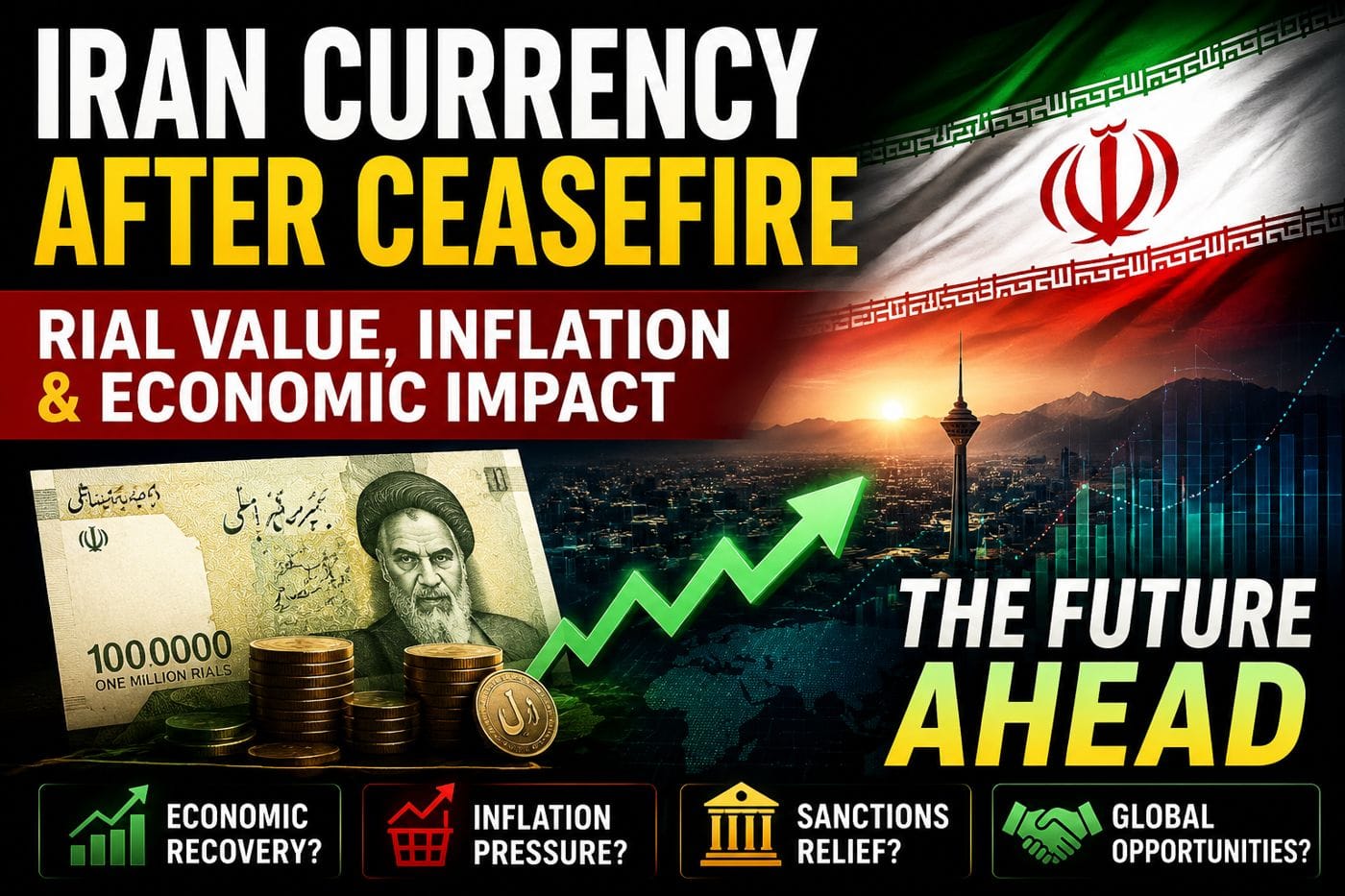
Fear spreads quickly when a country faces war, sanctions, and economic uncertainty. However, hope also returns when tensions begin to calm. The recent ceasefire discussions in the Middle East have once again pushed global attention toward the Iran currency situation and the future of the Iranian economy.
For years, the Iranian rial has suffered from inflation, sanctions, political pressure, and declining investor confidence. Consequently, ordinary citizens have experienced rising prices, weaker purchasing power, and financial uncertainty. Even small political developments now create major reactions in Iran’s currency markets.
Moreover, global investors, oil traders, and economists continue monitoring Iran currency movements closely. Many experts believe the ceasefire could stabilize economic pressure temporarily. Nevertheless, long-term recovery still depends on deeper political and economic reforms inside Iran.
Background of Iran Currency Crisis
Historical Decline of the Iranian Rial
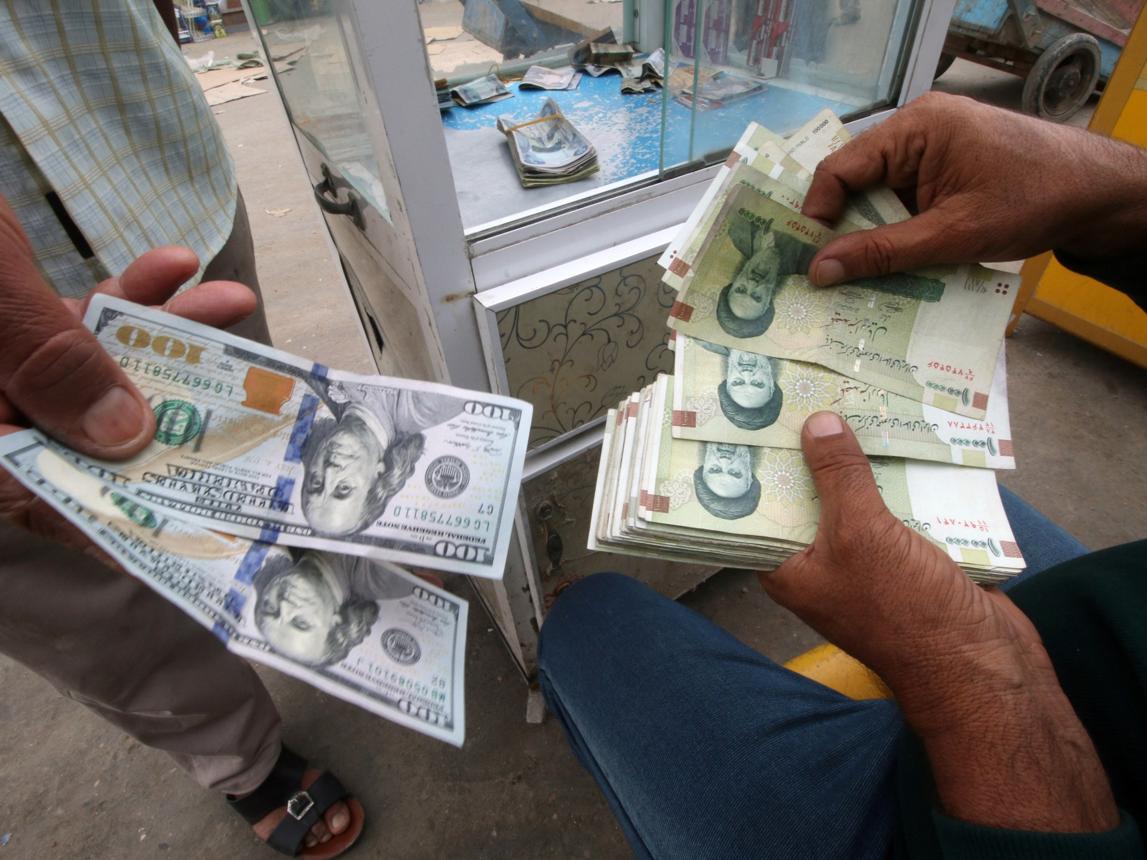
The Iranian rial has struggled for decades due to sanctions, political tensions, and weak foreign investment. Furthermore, international restrictions reduced Iran’s access to global banking systems and foreign reserves.
As a result, the rial continuously lost value against the US dollar. Citizens increasingly shifted toward gold, real estate, and foreign currencies to protect savings. Consequently, public trust in the local currency weakened over time.
International Sanctions and Economic Pressure
Western sanctions placed enormous pressure on Iran’s economy. Specifically, restrictions on oil exports damaged one of Iran’s largest revenue sources. Therefore, government income declined sharply.
Meanwhile, businesses inside Iran faced difficulties importing goods and accessing international markets. In contrast, inflation continued rising across food, fuel, housing, and healthcare sectors.
Political Instability and Currency Fluctuations
Political uncertainty often creates immediate reactions in financial markets. Similarly, every military escalation between Iran, Israel, and the United States affected Iran currency performance.
Notably, investors prefer stability and predictable economic policies. However, repeated regional tensions increased fear and reduced economic confidence inside Iran.
Current Situation of Iran Currency
Iranian Rial After the Ceasefire
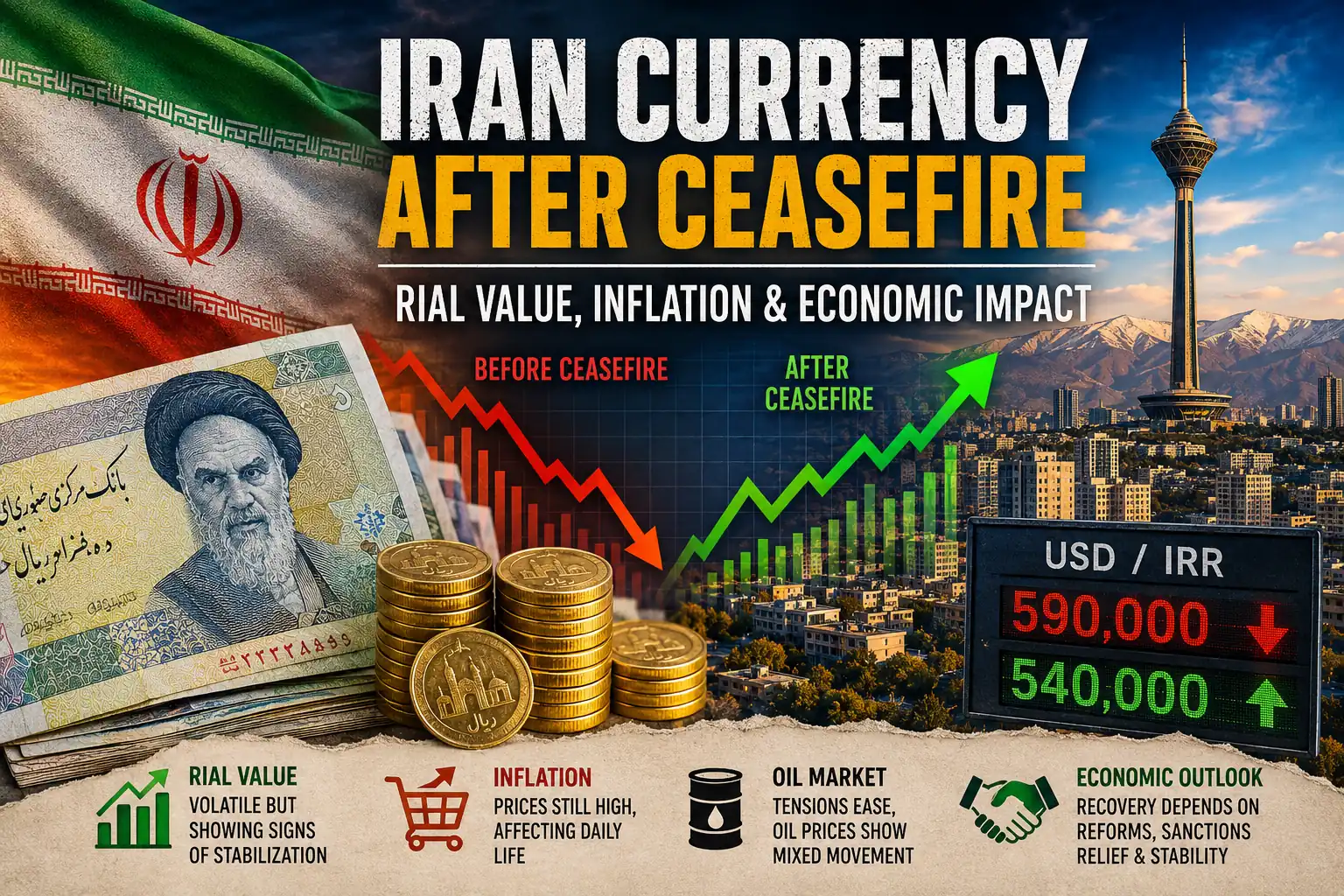
Following ceasefire discussions, the Iranian rial showed signs of temporary stabilization. Moreover, some market traders expected reduced military tensions to improve economic conditions gradually.
However, the recovery remains fragile. Inflation continues affecting daily life, while sanctions still limit economic growth. Consequently, experts warn that short-term improvements may not guarantee long-term stability.
Public Reaction Inside Iran for Iran currency
Citizens inside Iran reacted cautiously to ceasefire developments. Many hoped lower tensions could reduce inflation and improve currency stability. Nevertheless, concerns about future conflicts still remain strong.
Furthermore, rising living costs continue creating pressure on middle-class and low-income families. Therefore, people remain skeptical about immediate economic improvement.
International Market Response
Global oil markets also reacted to the ceasefire situation. Specifically, traders monitored whether reduced tensions could stabilize energy supplies across the Middle East.
Meanwhile, international investors remained cautious regarding Iran’s economy. Despite this, some analysts believe reduced geopolitical pressure could eventually improve foreign trade opportunities.
Exchange Rate and Inflation Pressure
The exchange rate remains one of the biggest concerns for Iran’s economy. As the rial weakens, imported goods become more expensive. Consequently, inflation spreads quickly across essential products and services.
Moreover, businesses face uncertainty when currency values fluctuate rapidly. Therefore, economic planning becomes increasingly difficult for both companies and consumers.
Causes Behind Iran Currency Problems
Economic Sanctions and Trade Restrictions
Sanctions remain one of the primary causes behind Iran currency instability. Specifically, restrictions on international banking reduced Iran’s financial flexibility.
Furthermore, export limitations weakened government revenue. As a result, economic pressure intensified across multiple sectors of society.
Inflation and Money Supply
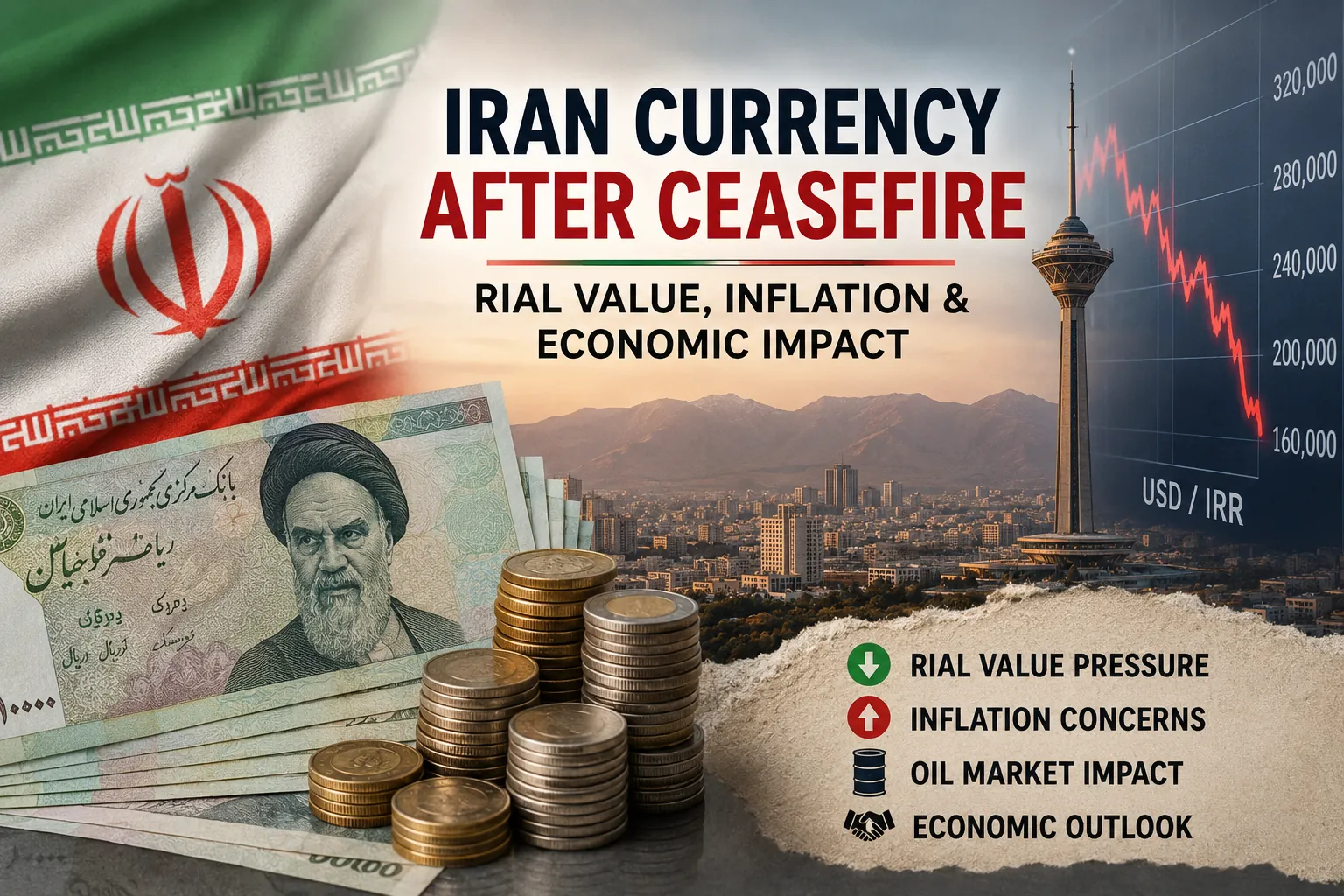
High inflation continues damaging Iran’s economy. In addition, excessive money printing reduced the purchasing power of the rial significantly.
Consequently, citizens began relying more heavily on foreign currencies and gold. This further weakened confidence in the local financial system.
Political and Military Tensions
Political conflicts create uncertainty for investors and businesses. Similarly, military tensions discourage foreign investment and reduce market confidence.
Moreover, global markets react quickly to Middle East instability. Therefore, even rumors of conflict can influence Iran currency movements dramatically.
Weak Foreign Investment
Foreign investment remains limited due to sanctions and political risks. Consequently, economic growth opportunities inside Iran remain restricted.
In contrast, stable economies usually attract long-term international investors. However, Iran continues facing major barriers in this area.
Iran Currency and Inflation Crisis
Rising Prices Across Iran
Inflation continues affecting almost every sector of Iranian society. Food prices, transportation costs, and housing expenses increased sharply in recent years.
As a result, many families struggle to maintain normal living standards. Furthermore, savings lose value quickly during periods of high inflation.
Impact on Daily Life
Ordinary citizens face the biggest burden during currency crises. Specifically, lower-income households experience severe financial stress when prices rise continuously.
Meanwhile, businesses also suffer from unpredictable costs and weaker consumer spending. Therefore, economic instability affects both individuals and companies.
Youth Unemployment and Economic Anxiety
Young people inside Iran face growing employment challenges. In addition, economic uncertainty reduces business expansion opportunities and job creation.
Consequently, frustration among younger generations continues increasing. Many skilled workers also consider leaving the country for better opportunities abroad.
Oil Prices and Iran Economy
Importance of Oil Revenue
Oil remains one of Iran’s most important economic resources. Therefore, global oil prices directly influence government revenue and currency stability.
When oil exports decline, economic pressure increases rapidly. Consequently, the government faces greater difficulty controlling inflation and maintaining public services.
Ceasefire and Global Energy Markets
The ceasefire discussions temporarily reduced fears regarding energy supply disruptions. As a result, oil market volatility slowed slightly.
However, traders still remain cautious about future tensions in the Middle East. Therefore, uncertainty continues affecting global energy markets.
Long-Term Energy Challenges
Iran must diversify its economy beyond oil dependence. Specifically, technology, manufacturing, tourism, and foreign investment could support future economic stability.
Nevertheless, achieving diversification requires major reforms and stronger international economic cooperation.
Impact of Iran Currency Crisis
Effects on Businesses
Businesses struggle during periods of unstable currency value. Imported materials become more expensive, while consumer demand weakens.
Consequently, many companies reduce operations or delay expansion plans. Furthermore, smaller businesses face greater financial risks.
Impact on Education and Healthcare
Economic instability also affects education and healthcare sectors. Rising prices make quality services more difficult for ordinary citizens to access.
Meanwhile, government spending pressures create additional challenges for public institutions.
Social and Psychological Pressure
Financial uncertainty creates emotional stress across society. Families worry about savings, employment, and future stability.
Moreover, long-term inflation often damages public confidence and increases social frustration.
International Reputation of Iran currency
Currency instability also influences international perceptions of Iran’s economy. Investors usually avoid countries facing severe inflation and geopolitical uncertainty.
Therefore, rebuilding economic trust remains one of Iran’s biggest long-term challenges.
Deep Analysis of Iran Currency Recovery
Can the Iran Currency Recover Permanently?
Temporary stabilization does not guarantee permanent recovery. Specifically, sustainable improvement requires stronger economic reforms and political stability. Furthermore, sanctions continue limiting economic flexibility. Consequently, experts remain cautious regarding long-term predictions.
Moreover, inflation remains one of the biggest challenges for the Iranian economy. Rising prices reduce purchasing power and weaken public confidence in the rial. Therefore, even small economic shocks can create major currency fluctuations inside the market.
In addition, investor confidence depends heavily on stability and predictable policies. If uncertainty continues, foreign investment may remain weak for many years. As a result, long-term economic growth could face additional pressure.
Importance of International Relations
Better diplomatic relations could improve economic conditions significantly. In addition, reduced tensions may increase trade opportunities and investor confidence. However, political disagreements still create major obstacles for future economic cooperation.
Meanwhile, stronger international trade partnerships could help Iran access global financial markets more easily. Consequently, economic activity may improve gradually if diplomatic tensions decrease over time.
Furthermore, international agreements related to sanctions and oil exports may directly influence Iran currency recovery. Therefore, foreign policy decisions remain closely connected with Iran’s economic future.
Comparison With Other Economies
Several countries experienced currency crises before achieving recovery through reforms and stability. For instance, controlled inflation and stronger financial policies helped some economies regain investor confidence. Similarly, Iran could improve conditions gradually through long-term structural changes.
Moreover, countries that focused on economic diversification often recovered more successfully from financial crises. In contrast, economies that depended heavily on one industry usually remained vulnerable to future shocks.
Therefore, Iran may need to reduce its dependence on oil revenue and strengthen other industries like technology, manufacturing, and tourism. Consequently, a more diversified economy could improve long-term financial stability.
Public Confidence and Financial Stability
Public trust plays a major role in currency strength. When citizens lose confidence, they often avoid saving in local currency. Therefore, restoring trust requires stable policies, lower inflation, and predictable economic management.
Furthermore, uncertainty encourages people to buy foreign currencies, gold, or assets instead of keeping savings in the rial. As a result, pressure on the local currency increases even further.
In addition, businesses also struggle during periods of uncertainty because financial planning becomes more difficult. Consequently, economic growth slows when both consumers and companies lose confidence in the market.
Future Economic Opportunities
Despite current challenges, Iran still has significant economic potential. The country possesses natural resources, educated workers, and strategic geographic importance. Consequently, long-term recovery remains possible if economic and political conditions improve gradually.
Moreover, Iran has opportunities to expand trade with regional countries and strengthen domestic industries. If reforms continue, economic diversification may create new employment opportunities and reduce financial pressure.
Furthermore, younger generations inside Iran are increasingly interested in technology, entrepreneurship, and digital industries. Therefore, future economic growth could depend partly on innovation and modernization.
Future Outlook of Iran Currency
Short-Term Expectations for Iran Currency
In the short term, Iran currency may remain volatile due to ongoing uncertainty. Nevertheless, ceasefire discussions could reduce immediate pressure temporarily. Moreover, oil market stability may also support limited economic improvement.
However, inflation and sanctions continue affecting financial conditions across the country. Consequently, experts believe short-term recovery may remain unstable and unpredictable.
Meanwhile, investors and businesses will likely continue monitoring regional political developments closely. Therefore, any increase in geopolitical tension could quickly influence currency markets again.
Long-Term Economic Possibilities
Long-term recovery depends on sanctions relief, diplomatic progress, and internal reforms. Specifically, investment growth and inflation control remain critical priorities. Furthermore, economic diversification could strengthen resilience against future shocks.
In addition, improvements in trade policies and international cooperation may help Iran rebuild economic confidence gradually. As a result, businesses could gain better opportunities for expansion and investment.
Moreover, stronger infrastructure development and financial reforms may support sustainable economic growth in the future. Therefore, long-term success will depend heavily on consistent political and economic strategies.
Investor and Public Sentiment
Investor confidence plays a major role in the future of Iran currency. When markets remain stable, businesses and investors feel more comfortable making long-term decisions. Consequently, economic activity can improve gradually over time.
Similarly, public optimism also affects currency stability. If citizens believe economic conditions are improving, confidence in the rial may strengthen naturally. However, uncertainty and inflation can quickly reverse positive momentum.
Furthermore, global economic conditions may also influence Iran’s recovery path. Therefore, international energy prices, trade relationships, and regional stability will continue shaping the future outlook of Iran currency.
Investor and Public Sentiment
Investor confidence may improve slowly if regional tensions continue decreasing. Similarly, public optimism could rise if inflation stabilizes and living conditions improve.
However, future political developments will continue shaping Iran’s economic direction significantly.
Conclusion
The Iran currency situation reflects years of economic pressure, sanctions, inflation, and political instability. Although ceasefire developments created temporary optimism, deeper structural challenges still remain unresolved.
Moreover, the future of Iran currency depends heavily on political stability, economic reforms, and international relations. While recovery is possible, long-term improvement requires patience, strategic planning, and stronger financial confidence. Ultimately, the Iranian economy stands at a critical turning point that could shape the country’s future for years ahead.
Internal Links
External Links
FAQ Section
What is happening with Iran currency after the ceasefire?
Iran currency showed temporary stabilization after ceasefire discussions. However, inflation, sanctions, and political uncertainty continue affecting long-term economic recovery.
Why is the Iran currency losing value?
The Iranian rial lost value mainly because of sanctions, inflation, political tensions, and weak foreign investment. Consequently, public confidence in the currency also declined.
How does inflation affect Iran currency?
Inflation increases prices of food, housing, transportation, and imported goods. As a result, ordinary citizens experience financial pressure and reduced purchasing power.
Can Iran currency recover in the future?
Iran currency could recover gradually if political stability improves and economic reforms are implemented successfully. Nevertheless, recovery may take significant time.
How do oil prices affect Iran currency?
Oil exports play a major role in Iran’s economy. Therefore, changes in global oil prices directly impact government revenue and currency stability.
Is Iran currency improving after the ceasefire?
Iran currency showed limited signs of improvement after ceasefire discussions. However, long-term recovery still depends on inflation control, political stability, and economic reforms.
Why is Iran currency important for the Middle East economy?
Iran currency plays an important role because Iran is a major regional economy and oil producer. Consequently, currency fluctuations can influence trade, energy markets, and investor confidence across the Middle East.
How does inflation weaken Iran currency?
High inflation reduces the purchasing power of the Iranian rial. As a result, prices increase rapidly and citizens lose confidence in the local currency over time.
Can foreign investment strengthen Iran currency?
Foreign investment could support economic growth and improve financial confidence in Iran. Nevertheless, sanctions and political risks continue limiting investment opportunities.
What is the future outlook for Iran currency?
The future of Iran currency depends on economic reforms, diplomatic relations, oil exports, and inflation management. Therefore, experts believe recovery may take time despite recent ceasefire developments.
Disclaimer
This article is for informational and educational purposes only. Economic conditions, currency markets, and geopolitical developments may change rapidly. Readers should verify financial information through official and trusted sources before making investment or financial decisions.

Gul Fahad is the founder of Readsinfo and a content creator focused on Artificial Intelligence, Technology, Online Earning, and Education. He shares practical guides, digital learning resources, and real-world insights to help readers develop valuable skills and stay updated with modern trends.