Iran Currency After Ceasefire: Rial Value, Inflation & Economic Impact
📰 Iran Currency After Ceasefire: Rial Value, Inflation & Economic Impact
🧭 Introduction to Iran Currency After Ceasefire
The Iran currency after ceasefire has become a major concern for economists and global markets. While the ceasefire between Iran, the United States, and Israel has reduced military tensions, Iran’s economic crisis remains severe. The Iranian rial is still under pressure due to inflation, sanctions, and war damage.
Understanding the current state of Iran’s currency helps explain the broader economic impact of the ceasefire.
💱 Iran Currency Before Ceasefire Crisis
🔹 Rial Collapse Before Ceasefire
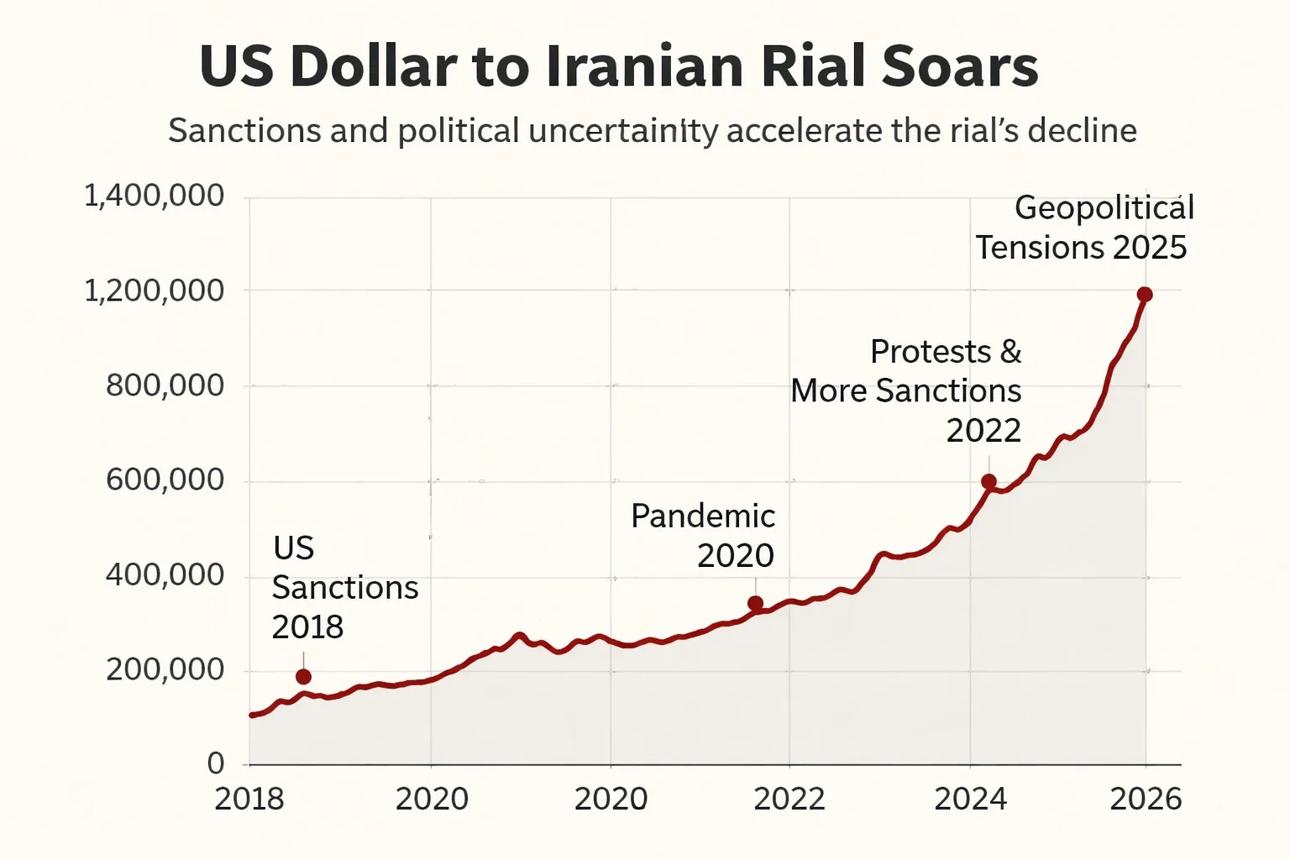
Before the ceasefire, Iran’s currency had already reached historic lows:
- Around 1.4 to 1.5 million rials per US dollar
- Lost nearly half its value within months
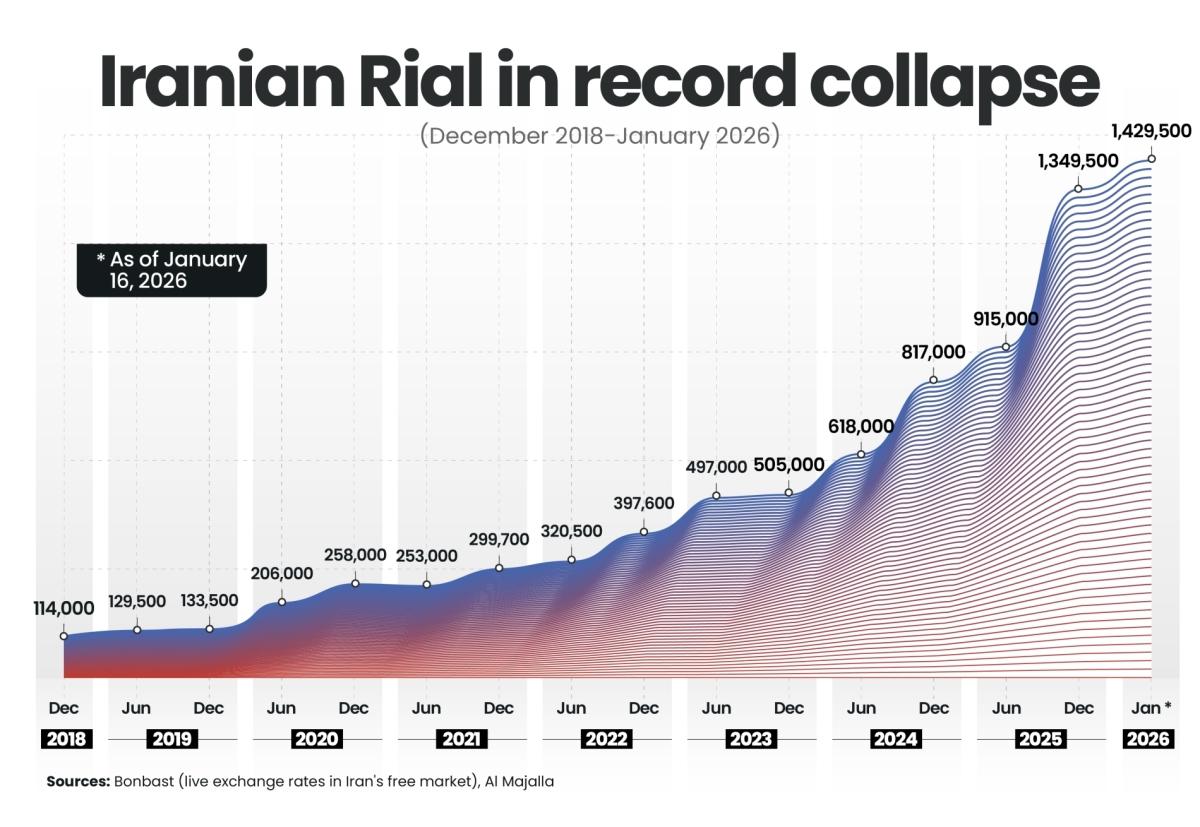
At one point, it even touched 1.5 million rials per dollar, showing extreme depreciation
🔹 Reasons for money Collapse
- Heavy US sanctions
- High inflation (above 40%)
- Political instability
- War-related disruptions
🕊️ Iran Currency After Ceasefire: Current Situation
After the ceasefire, the situation showed mixed signals:
🔹 Short-Term Stability of money
- Global markets improved after ceasefire
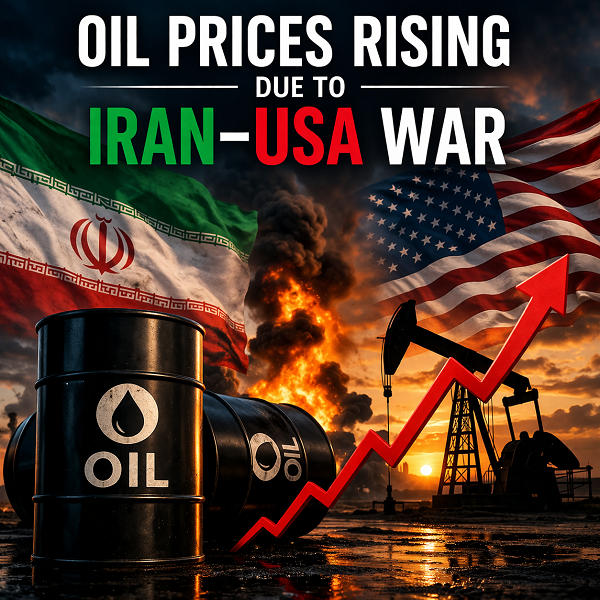
- Oil prices dropped sharply (up to 16–19%)
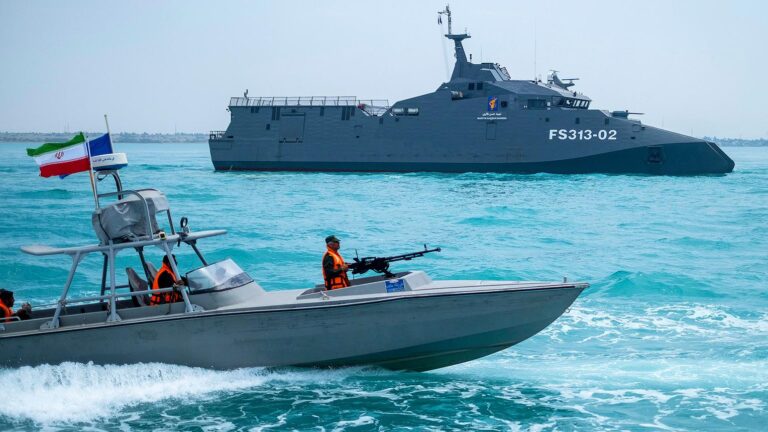
- Trade routes like Strait of Hormuz reopened
👉 This helped reduce pressure on Iran’s economy.
🔹 Temporary Currency Improvement
- Rial showed slight recovery in some cases
- Earlier, it even gained about 6.7% after policy relaxation
However, this improvement is not stable.
📉 Why Iran Currency Still Weak After Ceasefire
🔹 War Damage to Economy
- Infrastructure destruction
- Factories and trade disrupted
Iran’s economy is still struggling with:
- Rising unemployment
- Supply chain breakdown
🔹 High Inflation Continues
- Prices increased up to 40% during war
- People facing cost-of-living crisis
🔹 Sanctions Still Active
Even after ceasefire:
- US sanctions remain
- Limited access to global banking
💰 Impact on Daily Life in Iran
🔹 Rising Cost of Living
- Food and fuel prices increased
- Salaries unable to match inflation
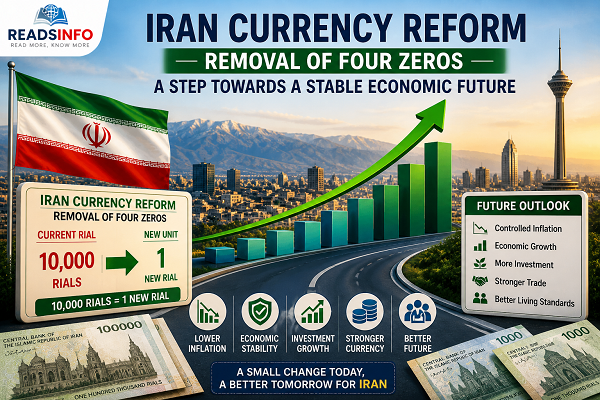
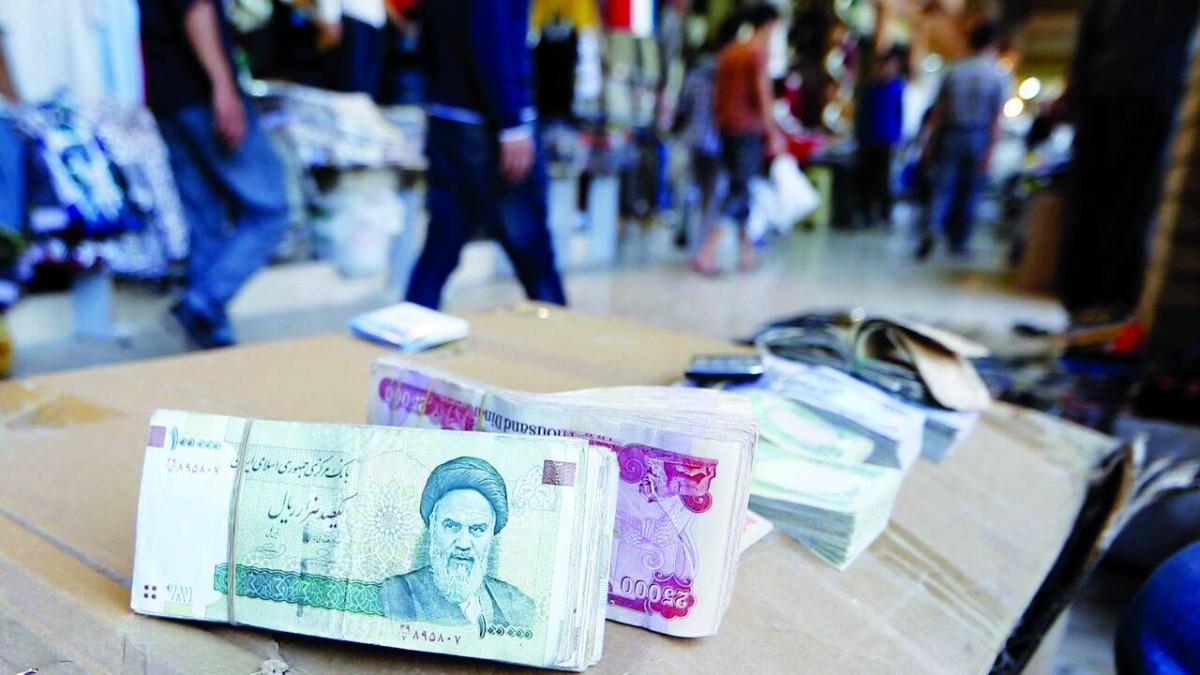
🔹 New High-Value Banknotes
Iran introduced 10 million rial notes due to inflation
👉 This shows how weak the currency has become.
🌍 Global Impact of Iran Currency After Ceasefire
🔹 Oil Market Stabilization
- Ceasefire reduced oil prices globally
- Lower inflation pressure worldwide
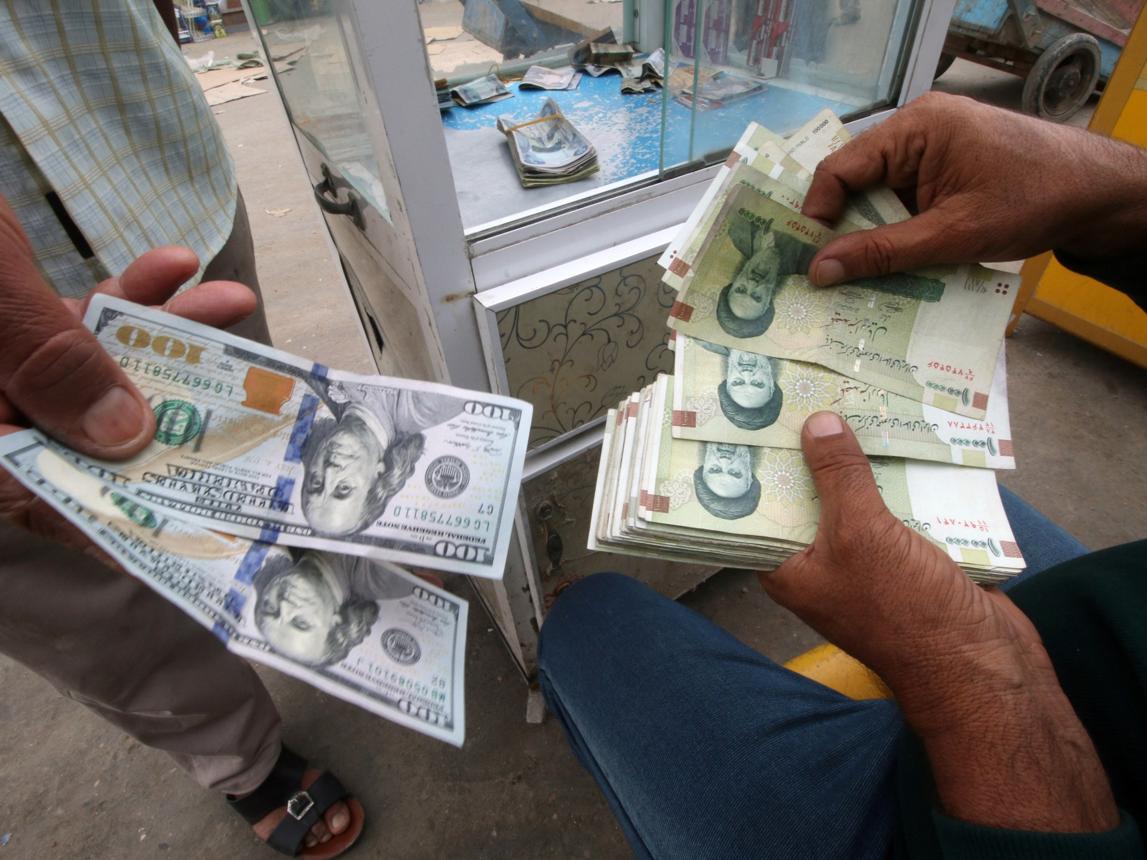
🔹 Currency Market Reaction
- US dollar weakened slightly
- Emerging markets improved
🇵🇰 Impact on Pakistan
🔹 Positive Effects
- Lower oil prices → reduced import cost
- Stable regional trade
🔹 Exchange Rate Insight
- 1 PKR ≈ 5,700+ Iranian rials (approx)
⚖️ Policy Analysis: Iran Currency After Ceasefire
✔️ Positive Signs
- Reduced war pressure
- Slight currency stabilization
- Improved global trade
❌ Major Challenges
- Inflation still very high
- Weak rial value
- Sanctions not removed
🔮 Future Outlook of Iran Currency After Ceasefire
🔹 Short-Term Outlook
- Slight stability possible
- Dependent on oil exports
🔹 Long-Term Outlook
If sanctions continue:
- Rial may remain weak
- Inflation may stay high
If diplomacy improves:
- Currency could stabilize
- Economic recovery possible
🧾 Conclusion on Iran Currency After Ceasefire
The Iran currency after ceasefire shows that while military tensions have decreased, economic challenges remain severe. The Iranian rial is still weak, inflation is high, and recovery will take time.
The ceasefire provides an opportunity for economic improvement, but without strong reforms and sanctions relief, Iran’s currency crisis is far from over.
https://wise.com/gb/currency-converter/irr-to-pkr-rate
https://readsinfo.com/iran-usa-ceasefire-pakistans-role-israel-tensions-global-impact-explained/