Oil Prices Rising Due to Iran–USA War
Oil Prices Rising Due to Iran USA War
📊 Introduction
The Oil Prices Rising Due to Iran USA War conflict between Iran and the United States in 2026 has created serious concerns around the world. One of the biggest effects of this situation is the sharp rise in oil prices. Oil is one of the most important resources in the global economy because it is used in transportation, industries, electricity production, and many daily activities. When oil prices increase, the impact is not limited to fuel only. It spreads across the entire economy, affecting food prices, transportation costs, and even basic household expenses. That is why the Iran–USA conflict is not just a political issue—it is also an economic issue that affects millions of people worldwide. In this article, we will explain in simple language how the war is affecting oil prices, why prices are rising, and what this means for the future.
🛢️ Current Oil Price Situation
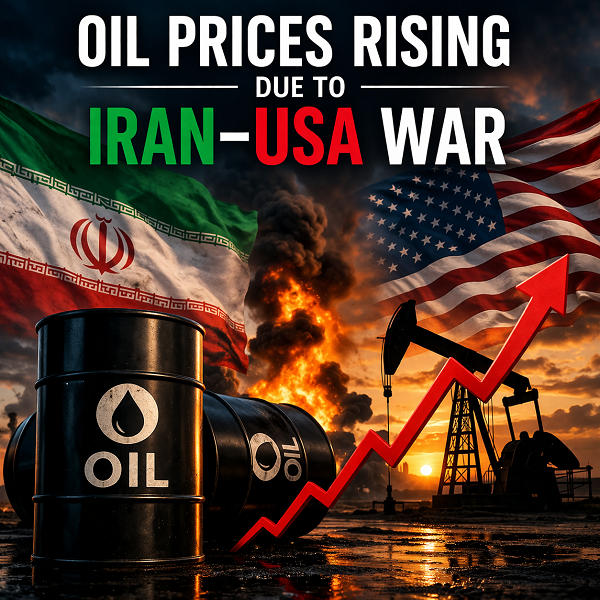
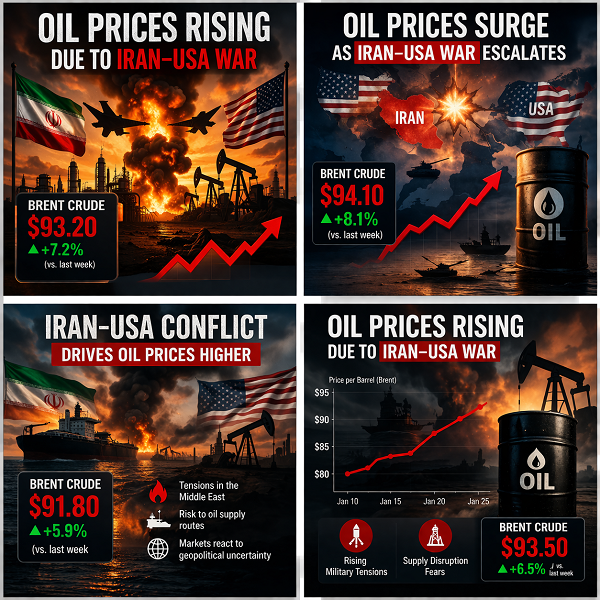
Since the beginning of the conflict, oil prices have increased rapidly. Crude oil has crossed $100 per barrel and continues to remain unstable. The market is reacting strongly to uncertainty and the fear of supply shortages.
The Middle East is one of the largest oil-producing regions in the world. Countries like Iran, Saudi Arabia, Iraq, and the United Arab Emirates play a major role in supplying oil to global markets. When tension increases in this region, it creates a risk to oil production and supply chains.
Even if oil production is not completely stopped, the fear that it might be disrupted is enough to push prices higher. Traders and investors start buying oil in advance, which increases demand and leads to higher prices.
⚠️ Why Oil Prices Are Increasing
There are several simple reasons why oil prices rise during conflicts like the Iran–USA war.
🔹 Supply Disruptions
War can damage oil fields, refineries, and pipelines. It can also slow down production. When the supply of oil decreases, prices naturally go up.
🔹 Risk to Transportation
One of the most important oil routes in the world is the Strait of Hormuz. A large portion of the world’s oil passes through this narrow waterway. If this route becomes unsafe due to military activity, oil shipments can be delayed or stopped.
This creates a shortage in the global market, which increases prices.
🔹 Market Fear and Uncertainty
Oil markets are very sensitive to global events. Even the fear of future problems can increase prices. Traders add extra cost to oil prices to protect themselves from risk. This is often called a “risk premium.”
🔹 Increased Demand During Crisis
Countries sometimes increase their oil reserves during conflicts to prepare for emergencies. This sudden increase in demand also pushes prices higher.
🌍 Impact on the Global Economy
The rise in oil prices has a direct impact on the global economy.
📈 Inflation Is Increasing
When oil prices go up, the cost of transportation and production also increases. This leads to higher prices for goods and services. As a result, inflation rises.
Inflation reduces the purchasing power of people, meaning they can buy fewer goods with the same amount of money.
🚗 Higher Transportation Costs
Fuel is essential for transportation. When fuel prices rise, the cost of moving goods and people increases. This affects public transport, delivery services, and logistics companies.
🍞 Rising Food Prices
Food production and distribution depend heavily on fuel. Farmers use fuel for machinery, and food is transported over long distances. Higher oil prices increase these costs, leading to more expensive food.
🏭 Industrial Impact
Industries such as manufacturing, aviation, and shipping face higher costs when oil prices rise. Companies may increase prices or reduce production, which can slow economic growth.
🇺🇸 Impact on the United States
The United States is one of the largest economies in the world and also a major oil producer. However, it is still affected by global oil price changes.
When oil prices rise globally, fuel prices in the US also increase. This affects consumers, businesses, and transportation systems.
Higher fuel prices increase the cost of living. People have to spend more money on petrol, travel, and basic goods. Businesses also face higher operating costs, which can reduce profits and slow down economic activity.
🌏 Impact on Developing Countries
Developing countries are more affected by rising oil prices because they depend heavily on imported oil.
🔹 Higher Import Costs
Countries that import oil have to spend more money when prices rise. This increases the pressure on their economies.
🔹 Currency Weakness
Higher import bills can weaken local currencies, making imports even more expensive.
🔹 Increased Inflation
Rising oil prices lead to higher costs for fuel, food, and goods. This causes inflation, which affects daily life.
For many people in developing countries, this means higher expenses and lower savings.
🌐 Risk of Global Economic Slowdown
If oil prices continue to rise for a long time, it can slow down the global economy.
High energy costs reduce consumer spending and business investment. Companies may delay expansion plans, and governments may face economic challenges.
In extreme cases, very high oil prices can lead to a global recession. This means lower economic growth, fewer job opportunities, and financial instability.
🔮 Future Oil Price Outlook
The future of oil prices depends mainly on how the conflict between Iran and the United States develops.
📊 Short-Term Outlook
In the short term, oil prices are expected to remain high and unstable. Any new developments in the conflict can quickly change market conditions.
📈 Long-Term Outlook
If the conflict continues for a long time, oil prices may rise even further. Some experts believe prices could go much higher if supply is seriously affected.
However, if the situation improves and peace is restored, oil prices may stabilize or even decrease.
🌱 Long-Term Energy Changes
In the long run, the world is slowly moving toward renewable energy sources like solar and wind power. This could reduce dependence on oil and help stabilize prices in the future.
💡 What This Means for People
For everyday people, rising oil prices have several effects:
- Higher fuel costs for cars and transportation
- Increased prices for food and daily goods
- Higher electricity and utility bills
- Reduced savings due to increased expenses
It becomes important for individuals to manage their budgets carefully and avoid unnecessary spending during such times.
📌 Conclusion on Oil Prices Rising Due to Iran USA War
The Iran–USA war has created significant pressure on global oil markets. Oil prices have risen due to supply risks, transportation challenges, and market uncertainty. This increase is affecting economies around the world, leading to higher fuel costs, rising inflation, and economic challenges.
Both developed and developing countries are feeling the impact, but poorer nations are facing greater difficulties due to their dependence on imported oil.
The future of oil prices depends on how the conflict develops. If tensions continue, prices may remain high or rise further. If the situation improves, markets may stabilize.
For now, the world must adapt to rising costs and economic uncertainty. Understanding these changes can help individuals and businesses prepare for the challenges ahead.