Pakistan’s Role in Iran–USA War: A Strategic Peacemaker in Global Conflict
Introduction Pakistan role in Iran USA war has become one of the most discussed topics in international politics and global diplomacy. Rising tensions between Iran and the United States have created serious concerns across the Middle East and South Asia. Consequently, many analysts and political experts believe Pakistan could play an important role in reducing…
Introduction
Pakistan role in Iran USA war has become one of the most discussed topics in international politics and global diplomacy. Rising tensions between Iran and the United States have created serious concerns across the Middle East and South Asia. Consequently, many analysts and political experts believe Pakistan could play an important role in reducing conflict and promoting regional peace.
Pakistan shares historical, religious, economic, and geographical connections with Iran. At the same time, Pakistan also maintains diplomatic and strategic relations with the United States. Therefore, Pakistan remains in a sensitive position whenever tensions increase between these two powerful countries.
Global conflicts often affect trade routes, oil prices, regional stability, and international security. As a result, Pakistan’s foreign policy decisions become extremely important during Middle Eastern crises. Many countries now expect Pakistan to use diplomatic channels to encourage peace talks and prevent further escalation between Iran and the United States.
This article explores Pakistan role in Iran USA war, its diplomatic strategy, regional challenges, economic concerns, and possible impact on global politics.

Background of Iran–USA Tensions
The conflict between Iran and the United States has existed for decades. Political disagreements, sanctions, nuclear concerns, and military incidents have repeatedly increased tensions between both countries. Consequently, the Middle East has remained politically unstable for many years.
One major issue involves Iran’s nuclear program. The United States and several Western countries have expressed concerns regarding nuclear development and regional security. However, Iran has often argued that its nuclear activities are peaceful and intended for energy purposes.
Military incidents in the Persian Gulf, attacks on regional bases, and economic sanctions have also increased hostility between the two nations. Furthermore, diplomatic negotiations frequently face difficulties because of mistrust and political pressure from both sides.
Whenever tensions rise, neighboring countries including Pakistan become concerned about regional stability, border security, refugee movements, and economic consequences.
Pakistan’s Foreign Policy Position
Pakistan traditionally follows a balanced foreign policy approach in regional conflicts. Instead of directly supporting military escalation, Pakistan usually encourages dialogue, negotiations, and peaceful diplomatic solutions.
Pakistan maintains friendly relations with Iran because both countries share borders and religious ties. In addition, cooperation exists in trade, energy projects, and border security matters. Consequently, Pakistan values stable relations with Tehran for regional peace and economic cooperation.
At the same time, Pakistan also has important strategic relations with the United States. Economic support, military cooperation, trade partnerships, and international diplomacy connect both countries. Therefore, Pakistan must carefully manage relations with both Iran and the United States during periods of conflict.
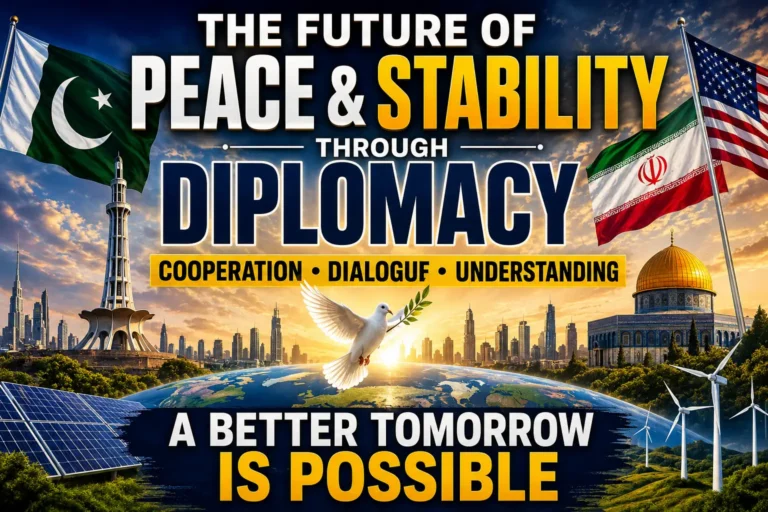
Pakistan’s leadership often emphasizes neutrality and peaceful mediation during international disputes. As a result, many observers consider Pakistan capable of acting as a diplomatic bridge between conflicting nations.
Why Pakistan’s Role Matters Pakistan role in Iran USA
Pakistan occupies a highly strategic geographical position connecting South Asia, Central Asia, and the Middle East. Consequently, instability in nearby regions directly affects Pakistan’s economy, security, and foreign relations.
The country also possesses strong diplomatic influence within the Muslim world. Pakistan’s relationships with Saudi Arabia, China, Turkey, Iran, and Western nations provide it with unique diplomatic importance during regional crises.
Furthermore, Pakistan’s military and intelligence institutions are considered influential in regional security matters. Therefore, global powers often monitor Pakistan’s diplomatic decisions closely whenever tensions rise in the Middle East.
If conflict between Iran and the United States expands, Pakistan may face:
- border security challenges
- refugee pressure
- economic instability
- rising oil prices
- trade disruptions
- political pressure from allies
Consequently, Pakistan’s role becomes extremely important for regional stability and peace efforts.

Pakistan’s Peace Diplomacy Efforts
Pakistan Support for Peaceful Negotiations
Pakistan has repeatedly supported peaceful negotiations instead of military confrontation. Government officials frequently call for dialogue and diplomatic solutions during regional disputes.
Pakistan Role in Middle East Peace Talks
Pakistani leadership often participates in international meetings and discussions focused on reducing tensions in the Middle East. Moreover, Pakistan usually encourages all parties to avoid actions that may increase violence or instability.
Pakistan as a Diplomatic Mediator in Pakistan role in Iran USA
Diplomatic mediation helps countries avoid war-related destruction and economic losses. Therefore, Pakistan attempts to maintain communication with both Iran and the United States while promoting regional peace.
Several analysts believe Pakistan could help create communication channels between opposing sides because of its balanced diplomatic relationships. Furthermore, Pakistan’s neutral public stance may improve trust among regional powers during sensitive negotiations.
Economic Impact on Pakistan
Rising Oil Prices and Economic Pressure
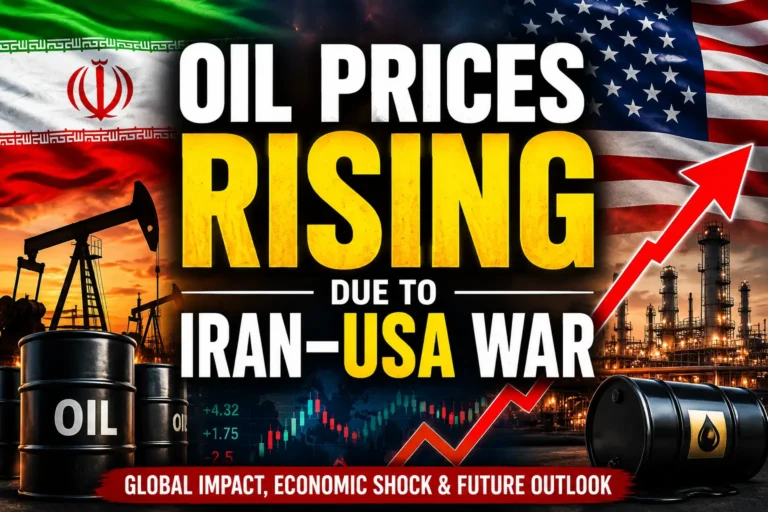
Conflict between Iran and the United States could significantly affect Pakistan’s economy. Rising oil prices often create inflation, transportation costs, and energy shortages for developing countries. Consequently, economic pressure on ordinary citizens may increase during international conflicts.
Trade and Energy Challenges on Pakistan role in Iran USA
Pakistan imports energy resources and depends heavily on stable regional trade routes. Therefore, instability in the Persian Gulf may affect fuel supplies and commercial activities.
Foreign Investment and Overseas Workers
Foreign investment may also decrease during periods of regional uncertainty. International investors often avoid politically unstable regions because of security risks and economic unpredictability.
In addition, overseas Pakistani workers living in Middle Eastern countries could face difficulties if regional tensions expand further. Consequently, remittances and employment opportunities may also become affected.
Pakistan therefore strongly supports regional stability because peaceful conditions improve trade, investment, and economic growth opportunities.
Border Security and Regional Stability
Pakistan Iran Border Security Concerns
Pakistan shares a long border with Iran, making border security an important concern during regional conflicts. Any military escalation may increase smuggling, illegal crossings, refugee movements, and extremist activities near border regions.
Regional Cooperation and Intelligence Sharing
Security forces on both sides often cooperate to maintain border control and prevent unlawful activities. Consequently, peaceful relations between Pakistan and Iran remain important for regional security management.
Terrorist organizations and extremist groups sometimes attempt to exploit political instability for their own objectives. Therefore, Pakistan remains cautious about security risks associated with Middle Eastern conflicts.
Strong regional cooperation helps prevent violence and maintain stability across border areas. In addition, intelligence-sharing and diplomatic communication reduce misunderstandings between neighboring countries.
Pakistan’s Relations with Muslim Countries
Pakistan Diplomatic Relations in the Muslim World
Pakistan maintains strong relations with several Muslim-majority countries including Saudi Arabia, Turkey, Qatar, and the United Arab Emirates. These relationships also influence Pakistan’s diplomatic decisions regarding Middle Eastern conflicts.
Balancing Relations with Regional Powers
Balancing relations between different regional powers requires careful foreign policy planning. Consequently, Pakistan often avoids taking extreme public positions during sensitive geopolitical disputes.
Many Muslim countries also prefer diplomatic solutions over military confrontation because war creates humanitarian crises and economic destruction. Therefore, Pakistan’s peace-oriented stance aligns with broader regional interests.
Pakistan may also participate in international peace conferences or mediation efforts if tensions between Iran and the United States continue increasing.
Role of China and International Powers
China Support for Regional Stability
China remains one of Pakistan’s closest strategic partners. Because China also maintains relations with Iran, Beijing often supports diplomatic stability in the region. Consequently, Pakistan and China may share similar concerns regarding conflict escalation.
International Response to Iran USA Conflict
The United Nations and other international organizations also encourage peaceful negotiations instead of military action. Global powers generally recognize that large-scale Middle Eastern conflict could affect worldwide energy markets and economic stability.
Russia, European countries, and Gulf states may also influence future diplomatic developments between Iran and the United States. Therefore, Pakistan must carefully observe international political changes while protecting national interests.
Media and Public Opinion in Pakistan
Coverage significantly shapes public opinion during international conflicts. Pakistani news channels, analysts, and social media discussions frequently debate foreign policy decisions related to Iran and the United States.
Public Opinion and Social Media Discussions
Public opinion inside Pakistan often supports peace, neutrality, and diplomatic dialogue instead of direct military involvement. Many citizens worry about economic challenges and security risks associated with regional wars.
Social media platforms have also increased political discussions among young audiences. Consequently, misinformation and emotional narratives sometimes spread rapidly during international crises.
Responsible journalism and accurate information therefore remain important during politically sensitive situations.

Challenges Pakistan May Face on Pakistan Role in Iran USA
Although Pakistan supports peace diplomacy, balancing relations between powerful countries remains extremely challenging.
Diplomatic Pressure on Pakistan Role in Iran USA
Pakistan may face strong diplomatic pressure from international allies and regional powers during periods of rising tension. Supporting one side openly could damage relations with another important ally. Therefore, Pakistan’s leadership must maintain careful diplomatic balance during sensitive geopolitical situations.
Economic Challenges in Pakistan Role in Iran USA
Economic instability remains another major concern for Pakistan role in Iran USA. Rising oil prices, trade disruptions, and regional uncertainty could negatively affect Pakistan’s economy. Furthermore, inflation and energy shortages may increase pressure on ordinary citizens during international conflicts.
Security Concerns Around Pakistan Role in Iran USA
Security concerns may also increase if regional tensions escalate further. Border instability, extremist activities, and regional violence could create additional challenges for Pakistan’s national security institutions. Consequently, Pakistan remains cautious regarding military escalation in the Middle East.
Political Criticism of Pakistan Role in Iran USA
Pakistan’s foreign policy decisions may also face political criticism from domestic and international groups. Different political parties and analysts often hold different opinions regarding neutrality, diplomacy, and strategic alliances during global conflicts.
International Expectations from Pakistan Role in Iran USA
Many countries expect Pakistan to support diplomatic negotiations and regional peace efforts. Consequently, Pakistan faces international expectations to maintain stability while protecting its own national interests.
Economic limitations and domestic political challenges may also affect Pakistan’s ability to influence international negotiations directly. Nevertheless, Pakistan’s strategic location and diplomatic relationships still provide important regional influence.
Pakistan Strategic Importance in South Asia
South Asia remains one of the world’s most politically sensitive regions because of nuclear powers, border disputes, and regional competition. Consequently, stability in neighboring Middle Eastern countries directly influences South Asian security environments.
Pakistan Role in Iran USA and South Asian Stability
Pakistan’s military capabilities, diplomatic experience, and regional relationships make it strategically important in broader geopolitical discussions. Therefore, international observers frequently monitor Pakistan’s foreign policy statements during global crises.
Pakistan Role in Iran USA Through Regional Diplomacy
Pakistan continues emphasizing diplomacy instead of confrontation during regional conflicts. Peaceful negotiations and balanced foreign policy strategies help Pakistan maintain relations with multiple international partners simultaneously.
Pakistan Role in Iran USA and Economic Cooperation
Maintaining peaceful relations with neighboring countries often improves economic cooperation, infrastructure projects, and regional connectivity initiatives. Consequently, Pakistan benefits more from regional peace than prolonged geopolitical instability.
Global Impact of Pakistan Role in Iran USA Conflict
Conflict between Iran and the United States would not remain limited to one region. Oil markets, global trade routes, international shipping, and worldwide economic systems could all become affected.
Pakistan Role in Iran USA and Global Oil Markets
Higher fuel prices may increase inflation globally. Developing countries including Pakistan could face economic pressure because of rising transportation and energy costs during regional instability.
Pakistan Role in Iran USA and Worldwide Economic Stability
International stock markets and business confidence often decline during major geopolitical crises. Consequently, global investors may avoid unstable regions because of security and financial concerns.
Humanitarian Concerns Linked to Pakistan Role in Iran USA
Humanitarian concerns may also increase if military escalation causes civilian displacement and infrastructure destruction. Refugee crises and humanitarian emergencies often become major international concerns during regional wars.
Pakistan Role in Iran USA Through Global Peace Efforts
Pakistan’s peace-oriented approach aligns with broader international efforts aimed at reducing conflict and maintaining global stability. Therefore, Pakistan continues supporting diplomatic dialogue instead of military confrontation.

Pakistan’s Future Diplomatic Strategy
Pakistan will likely continue promoting dialogue, negotiations, and peaceful mediation in future regional conflicts. Diplomatic balance remains essential for protecting national interests while maintaining international relationships.
Economic development, trade cooperation, and regional peace are closely connected. Consequently, Pakistan benefits more from stability than prolonged geopolitical confrontation.
Future foreign policy decisions may involve:
- increased diplomatic engagement
- regional peace conferences
- security cooperation
- economic partnerships
- balanced international relations
Pakistan may also strengthen cooperation with international organizations focused on conflict prevention and humanitarian stability.
Conclusion on Pakistan role in Iran USA
Pakistan role in Iran USA war remains highly significant because of its strategic location, diplomatic relationships, and regional influence. Pakistan maintains important connections with both Iran and the United States, making balanced diplomacy essential during periods of rising tension.
Instead of supporting military escalation, Pakistan consistently promotes peace talks, dialogue, and diplomatic solutions. Consequently, many observers view Pakistan as a potential mediator capable of encouraging regional stability.
Economic concerns, border security, energy dependence, and international political pressures all influence Pakistan’s foreign policy decisions. Therefore, maintaining neutrality and promoting peace remain critical for Pakistan’s long-term national interests.
As global tensions continue evolving, Pakistan’s diplomatic approach may play an increasingly important role in supporting regional peace, economic stability, and international cooperation.
Internal Links
External Links
Disclaimer
This article is for informational and educational purposes only. Political situations and international relations may change rapidly depending on diplomatic developments, official statements, and global events. Readers should follow reliable news sources and official government updates for the latest information regarding international conflicts and foreign policy matters.
FAQ Section on Pakistan role in Iran USA
Why is Pakistan important in Iran–USA tensions?
Pakistan is important because it shares borders with Iran and also maintains diplomatic relations with the United States.
Does Pakistan support war between Iran and the USA?
Pakistan generally supports peaceful dialogue and diplomatic solutions instead of military conflict.
How can Iran–USA conflict affect Pakistan?
Possible effects include higher oil prices, economic instability, border security challenges, and trade disruptions.
Can Pakistan act as a mediator?
Many analysts believe Pakistan may help encourage dialogue because of its balanced relations with both countries.
Why does Pakistan prefer neutrality?
Neutrality helps Pakistan maintain diplomatic relations, regional stability, and economic interests during international conflicts.

Gul Fahad is the founder of Readsinfo and a content creator focused on Artificial Intelligence, Technology, Online Earning, and Education. He shares practical guides, digital learning resources, and real-world insights to help readers develop valuable skills and stay updated with modern trends.