Iran USA Ceasefire: Pakistan’s Role, Israel Tensions & Global Impact Explained
Introduction The possibility of an Iran USA ceasefire has become one of the most discussed international issues in recent months. Rising tensions in the Middle East created fear across global markets, political institutions, and diplomatic circles. However, recent developments suggest that both sides may be exploring ways to reduce conflict and prevent a wider regional…
Table of Contents
ToggleIntroduction
The possibility of an Iran USA ceasefire has become one of the most discussed international issues in recent months. Rising tensions in the Middle East created fear across global markets, political institutions, and diplomatic circles.
However, recent developments suggest that both sides may be exploring ways to reduce conflict and prevent a wider regional crisis.
The world closely watched every statement from Washington and Tehran. Investors feared oil price shocks, while neighboring countries worried about military escalation. Meanwhile, Pakistan’s diplomatic efforts attracted international attention because of its strategic position and balanced foreign policy.
Moreover, Israel’s growing concerns added another layer of complexity to the situation. Regional alliances, military preparedness, and economic uncertainty pushed global leaders toward urgent diplomatic discussions. Consequently, the Iran USA ceasefire debate is no longer limited to the Middle East. It now affects international trade, security, and political stability worldwide.
Background on Iran USA Ceasefire
Historical Tensions Behind Iran USA Ceasefire
Relations between Iran and the United States have remained tense for decades. The conflict began after the Iranian Revolution of 1979, which weakened diplomatic relations between both countries. Since then, sanctions, political disputes, and military concerns repeatedly increased tensions.
Moreover, nuclear disagreements became one of the biggest causes of conflict. The United States expressed concerns regarding Iran’s nuclear activities, while Iran argued that its program focused on peaceful development. Consequently, mistrust continued growing over the years.
Israel’s Strategic Concerns Over Iran USA Ceasefire
Israel has consistently viewed Iran as a major security threat in the Middle East. Iranian influence in neighboring regions increased concerns among Israeli political and military leaders. Therefore, Israel often supported stronger international pressure against Tehran.
Meanwhile, regional conflicts in Syria and Lebanon further complicated the situation. Israeli officials repeatedly warned that Iran’s growing regional role could destabilize the Middle East and threaten long-term security.
Pakistan’s Diplomatic Position for Iran USA Ceasefire
Pakistan maintained a balanced diplomatic approach throughout rising regional tensions. The country shares important relationships with Iran, the United States, and Gulf nations. Therefore, Islamabad attempted to avoid direct alignment with any single side.
Moreover, Pakistan’s strategic geographic location increased its diplomatic importance. Many analysts believe Pakistan could support peaceful dialogue and reduce tensions through diplomatic engagement.
Current Situation on Iran USA Ceasefire
Rising Diplomatic Engagement in Iran USA Ceasefire
Recent diplomatic discussions signaled possible progress toward reducing hostility between Iran and the United States. Several countries encouraged indirect negotiations to avoid a wider regional conflict.
Furthermore, international organizations called for restraint after multiple military incidents across the Middle East. Consequently, diplomatic communication increased rapidly in recent months.
Military Activity Affecting Iran USA Ceasefire
Despite diplomatic efforts, military activity remains high in sensitive areas across the region. Naval deployments, intelligence operations, and defense preparations continue near strategic locations.
Meanwhile, Israel and Gulf countries strengthened regional security monitoring because of fears regarding future escalation. However, both Iran and the United States appear cautious about direct military confrontation.
Economic Reactions to Iran USA Ceasefire
Global markets reacted strongly whenever tensions increased in the Middle East. Oil prices experienced sudden fluctuations because investors feared supply disruptions and regional instability.
Moreover, shipping companies and international businesses closely monitored developments. As a result, economic uncertainty increased across global financial markets.
Media Coverage of Iran USA Ceasefire
The Iran USA ceasefire discussion dominated international media coverage for several weeks. News organizations analyzed political speeches, diplomatic meetings, and military activities carefully.
Social media platforms also intensified public debate. Some users demanded stronger political pressure, while others supported peaceful diplomatic negotiations.
Causes Behind Iran USA Ceasefire
Nuclear Disputes and Iran USA Ceasefire
One major cause behind tensions remains Iran’s nuclear program. Western countries repeatedly expressed concerns regarding uranium enrichment and possible military applications.
Iran, however, insisted that its nuclear activities focused on scientific and energy purposes. Consequently, disagreements over inspections and sanctions increased diplomatic tensions further.
Regional Power Competition Around Iran USA Ceasefire
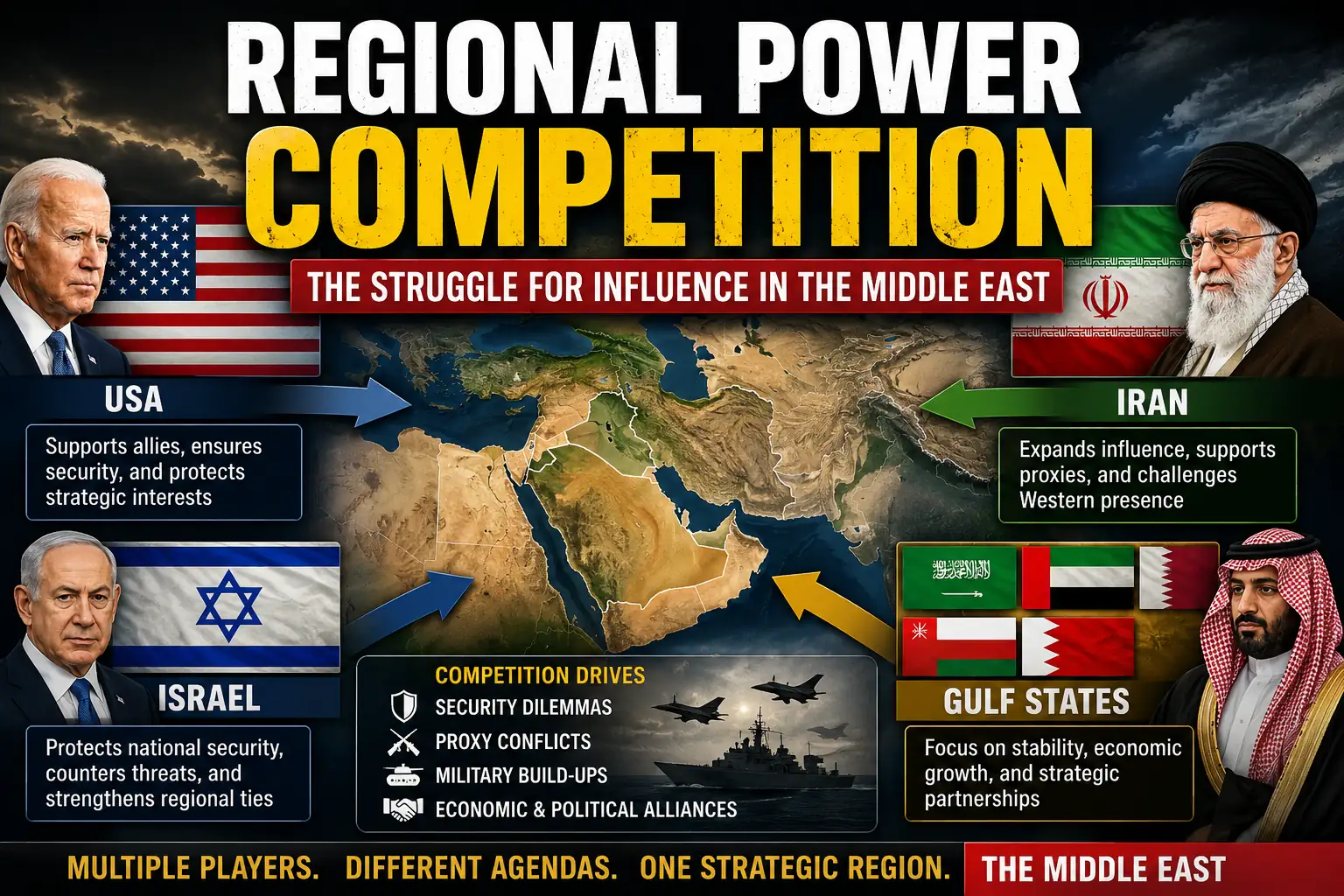
The Middle East remains highly competitive politically and militarily. Iran seeks stronger regional influence, while the United States supports several allied governments in the region.
Moreover, Israel’s security concerns also shape regional strategies. Proxy conflicts and political rivalries repeatedly intensified tensions without direct warfare.
Economic Sanctions Affecting Iran USA Ceasefire
Economic sanctions severely affected Iran’s economy over the years. Restrictions targeted banking systems, oil exports, and international trade activities.
As a result, economic pressure became a major issue during negotiations. Iranian officials repeatedly demanded sanctions relief during diplomatic discussions with Western countries.
Security Concerns Linked to Iran USA Ceasefire
Both Iran and the United States continue justifying their actions through national security concerns. Washington emphasizes regional stability and protection of allies.
On the other hand, Iran argues that foreign military presence threatens its sovereignty and national interests. Consequently, both sides remain highly cautious regarding military activities.
Impact of Iran USA Ceasefire
Global Oil Market Impact of Iran USA Ceasefire
The Middle East remains one of the world’s most important energy regions. Therefore, tensions involving Iran directly affect global oil markets and energy prices.
Investors fear disruptions near strategic shipping routes. Consequently, oil prices often rise sharply during periods of regional instability.
Pakistan’s Economic Position During Iran USA Ceasefire
Pakistan faces both risks and opportunities during regional tensions. Rising oil prices increase economic pressure because Pakistan depends heavily on imported energy.
However, diplomatic engagement may strengthen Pakistan’s international role. Balanced foreign relations could improve regional cooperation and political influence.
International Trade and Iran USA Ceasefire
Global trade depends heavily on stable shipping routes and predictable markets. Conflict in the Middle East threatens important trade corridors used by international businesses.
Furthermore, investors often delay major business decisions during geopolitical uncertainty. Consequently, global markets remain sensitive to developments involving Iran and the United States.
Humanitarian Effects of Iran USA Ceasefire
Military conflict could create serious humanitarian problems across the region. Civilians may face displacement, infrastructure damage, and shortages of essential resources.
Therefore, international organizations strongly support diplomatic negotiations and peaceful conflict resolution efforts.
Deep Analysis of Iran USA Ceasefire
Why Iran USA Ceasefire Matters Globally
The Iran USA ceasefire debate affects much more than regional politics. Global energy markets, international diplomacy, and economic stability all depend on reduced tensions in the Middle East.
Consequently, governments worldwide continue monitoring developments carefully because the crisis could affect global trade and inflation.
Pakistan’s Diplomatic Influence in Iran USA Ceasefire
Pakistan’s balanced foreign policy provides unique diplomatic advantages. Islamabad maintains communication with several important regional and international powers.
Therefore, Pakistan could support indirect dialogue and confidence-building measures between rival countries in the future.
Israel’s Strategic Calculations on Iran USA Ceasefire
Israel remains cautious regarding Iran’s growing regional influence. Security officials believe reduced international pressure could strengthen Iranian regional networks.
However, prolonged instability also creates economic and military risks for Israel. Therefore, policymakers continue balancing diplomacy with security concerns.
Global Powers and Iran USA Ceasefire
Major global powers closely monitor the situation because Middle Eastern stability affects energy security and international trade. China, Russia, and European countries all have strategic interests in the region.
Consequently, global competition often influences diplomatic negotiations and political decisions surrounding the crisis.
Media Narratives Around Iran USA Ceasefire
International media coverage significantly shapes public opinion regarding the crisis. Headlines often focus on military threats and political disagreements.
However, diplomatic discussions receive less public attention. As a result, many people underestimate ongoing negotiation efforts behind the scenes.
Future Outlook for Iran USA Ceasefire
Long-Term Stability After Iran USA Ceasefire
Long-term stability remains possible if diplomatic communication continues improving gradually. However, decades of mistrust cannot disappear quickly.
Therefore, smaller agreements and confidence-building measures may become necessary before larger political solutions emerge.
Risks of Renewed Escalation After Iran USA Ceasefire
Despite diplomatic efforts, risks remain serious. Military misunderstandings, cyberattacks, or regional proxy conflicts could quickly increase tensions again.
Moreover, domestic political pressure inside involved countries may influence future decisions and slow diplomatic progress.
Economic Predictions Linked to Iran USA Ceasefire
If tensions decrease, oil markets may stabilize gradually. Investors would likely regain confidence in regional trade and energy supplies.
On the other hand, renewed conflict could trigger major economic disruption worldwide. Inflation and energy shortages would become serious concerns again.
Therefore, businesses and governments continue monitoring developments carefully.
Conclusion on Iran USA Ceasefire
Future Diplomatic Possibilities After Iran USA Ceasefire
The Iran USA ceasefire discussion represents a major test for diplomacy, regional stability, and international cooperation. Peaceful negotiations remain the strongest path toward reducing future risks.
Moreover, regional countries and global powers must continue supporting diplomatic engagement instead of military escalation.
Global Importance of Iran USA Ceasefire
The Iran USA ceasefire issue now affects global politics, oil prices, economic stability, and international security. Every diplomatic decision carries worldwide consequences.
Ultimately, successful negotiations could improve regional peace and reduce economic uncertainty for countries across the world.
Economic Sanctions for Iran USA ceasefire
Sanctions significantly affected Iran’s economy over the years. Restrictions targeted oil exports, banking systems, and international trade relationships.
As a result, economic pressure became a major political issue inside Iran. Leaders repeatedly demanded sanctions relief during negotiations with Western countries.
However, the United States argued that sanctions remained necessary to influence Iranian policies. Consequently, economic disagreements became deeply connected to security concerns.
Security Concerns
Both sides continue to justify their actions through national security arguments. The United States emphasizes regional stability and protection of allies.
Iran, on the other hand, argues that foreign military presence threatens its sovereignty and national interests. Therefore, defensive strategies often appear aggressive to opposing sides.
This cycle of suspicion repeatedly increases tensions. Moreover, misunderstandings can quickly create dangerous situations.
Impact or Benefits on Iran USA ceasefire
Effects on Global Oil Markets
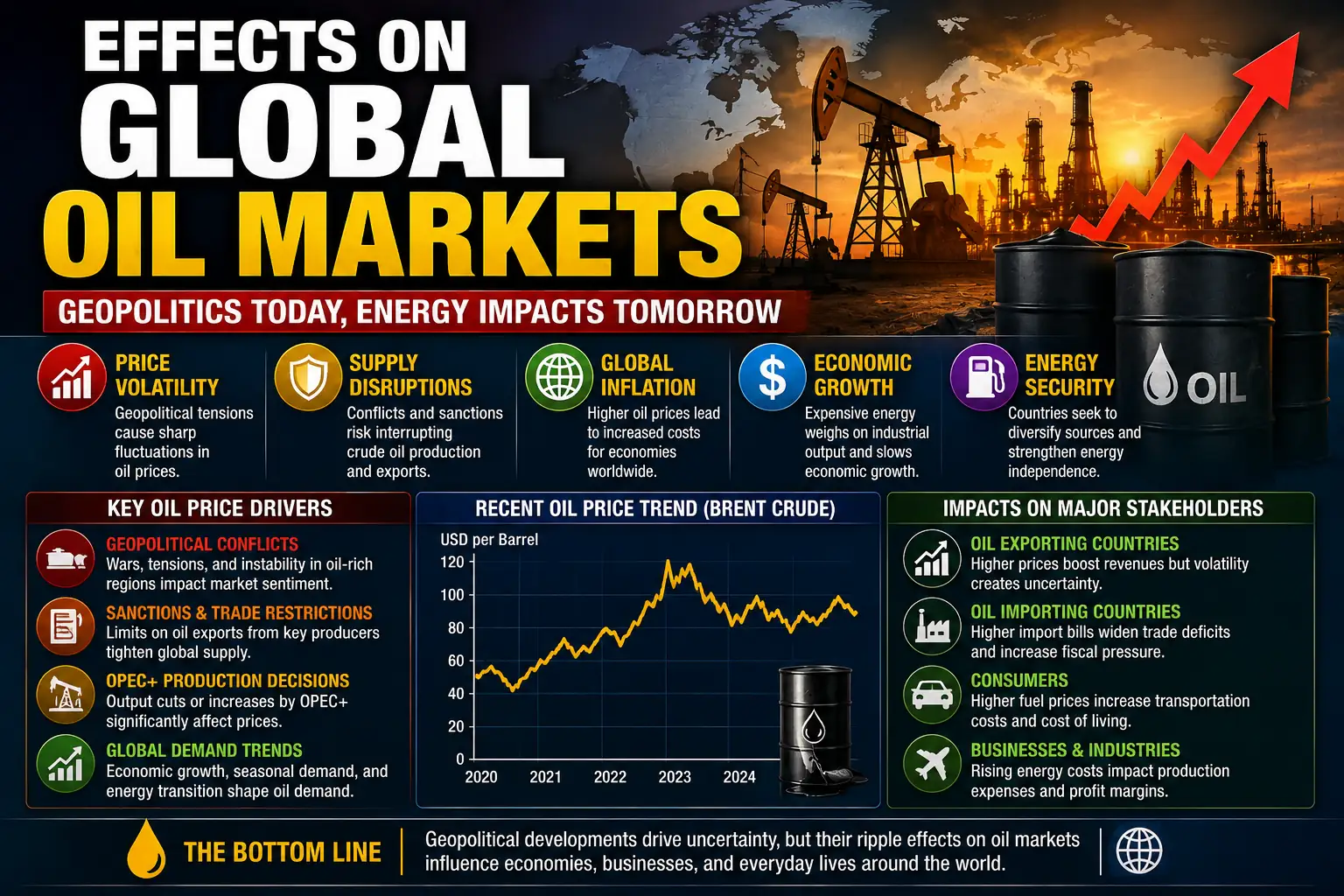
The Middle East remains one of the world’s most important energy regions. Therefore, any conflict involving Iran immediately affects oil prices globally.
Investors fear shipping disruptions near strategic waterways. Consequently, markets react strongly even before actual supply interruptions occur.
Higher oil prices increase transportation and manufacturing costs worldwide. As a result, inflation pressures often rise in multiple countries simultaneously.
Impact on Pakistan for Iran USA ceasefire
Pakistan faces both risks and opportunities from regional tensions. Rising oil prices increase economic pressure because Pakistan imports large amounts of energy.
However, diplomatic engagement may strengthen Pakistan’s international importance. Balanced foreign relations could improve Islamabad’s role in regional peace discussions.
Moreover, trade and security cooperation may expand if tensions decrease gradually.
Effects on International Trade
Global trade depends heavily on stable shipping routes and predictable markets. Conflict in the Middle East threatens major trade corridors used by international businesses.
Consequently, shipping insurance costs increase during periods of tension. Companies also delay investment decisions because of uncertainty.
Furthermore, financial markets often experience volatility when geopolitical risks intensify. Investors prefer stable environments for long-term economic planning.
Humanitarian Concerns
Military conflict would create severe humanitarian challenges across the region. Civilians could face displacement, shortages, and infrastructure damage.
Therefore, international organizations strongly support diplomatic solutions. Humanitarian agencies repeatedly warned against escalation.
In addition, regional instability could increase refugee movements and social pressure on neighboring countries.
Deep Analysis
Why Diplomacy Matters More Now
Several factors make diplomacy more attractive today than in previous years. Economic challenges affected multiple countries after global inflation and supply chain disruptions.
Consequently, governments want stability instead of prolonged conflict. Military escalation would create enormous financial and political costs for everyone involved.
Moreover, global public opinion increasingly favors negotiation over war. Citizens worry about economic hardship and regional instability.
The Role of Pakistan in Mediation and Iran USA ceasefire
Pakistan’s balanced diplomatic relations provide unique opportunities. Unlike some countries, Islamabad maintains communication channels with multiple regional actors.
Therefore, Pakistan could support indirect discussions and confidence-building efforts. Even symbolic diplomatic engagement may reduce tensions gradually.
Furthermore, Pakistan’s leadership repeatedly emphasized peaceful regional cooperation. This approach improves credibility in sensitive geopolitical situations.
Israel’s Strategic Calculations
Israel remains highly cautious regarding Iranian influence. Security officials fear that reduced pressure on Tehran could strengthen regional rival networks.
However, open conflict also carries major risks for Israel. Long-term instability could damage economic confidence and increase military burdens.
Therefore, Israeli policymakers must balance deterrence with diplomatic realities. This challenge shapes many regional security discussions.
Global Powers and Their Interests
Major global powers closely monitor the Iran USA ceasefire debate because their economic interests are connected to Middle Eastern stability.
China depends heavily on energy imports from the region. Meanwhile, European countries worry about energy security and refugee pressures.
Russia also benefits strategically from shifting geopolitical alliances. Consequently, global competition influences diplomatic calculations significantly.
Media Narratives and Public Perception
International media coverage shapes public understanding of the crisis. Headlines often focus on military threats and political statements.
However, deeper diplomatic discussions receive less public attention. Consequently, many people underestimate ongoing negotiation efforts.
Social media also increases emotional reactions. Misinformation sometimes spreads quickly during sensitive geopolitical events.
Future Outlook
Possibility of Long-Term Stability
Long-term stability remains uncertain but possible. Continued diplomatic engagement could gradually reduce hostility between Iran and the United States.
However, progress will likely remain slow because decades of mistrust cannot disappear quickly. Small agreements may become necessary before larger solutions emerge.
Moreover, regional cooperation will require support from neighboring countries and international institutions.
Security Risks and Regional Instability
Despite recent diplomatic efforts, risks remain serious. Military misunderstandings or political pressure could quickly increase tensions again. Consequently, global leaders continue encouraging restraint from all sides. Crisis management mechanisms remain essential for preventing escalation.
Furthermore, proxy conflicts in nearby regions may continue affecting overall stability. Moreover, cyberattacks, intelligence operations, and border incidents could also worsen the situation unexpectedly. Even a small confrontation in sensitive areas may trigger rapid political and military reactions from multiple countries.
Therefore, analysts believe the region will remain highly fragile despite ongoing diplomatic discussions.
Global Political and Economic Concerns
Meanwhile, domestic political pressure inside involved countries may influence future decisions. Leaders often face strong demands from political groups, military institutions, and public opinion during periods of international tension. As a result, diplomatic progress could slow down if nationalist rhetoric increases again.
In addition, global powers such as China, Russia, and European nations continue monitoring the crisis carefully because regional instability affects international trade and energy security. Prolonged uncertainty could damage investor confidence and increase fears of another global economic slowdown.
Despite this, many experts still believe diplomatic communication remains the best path toward reducing long-term risks. Continued negotiations, regional cooperation, and international mediation may help prevent a wider conflict in the future.
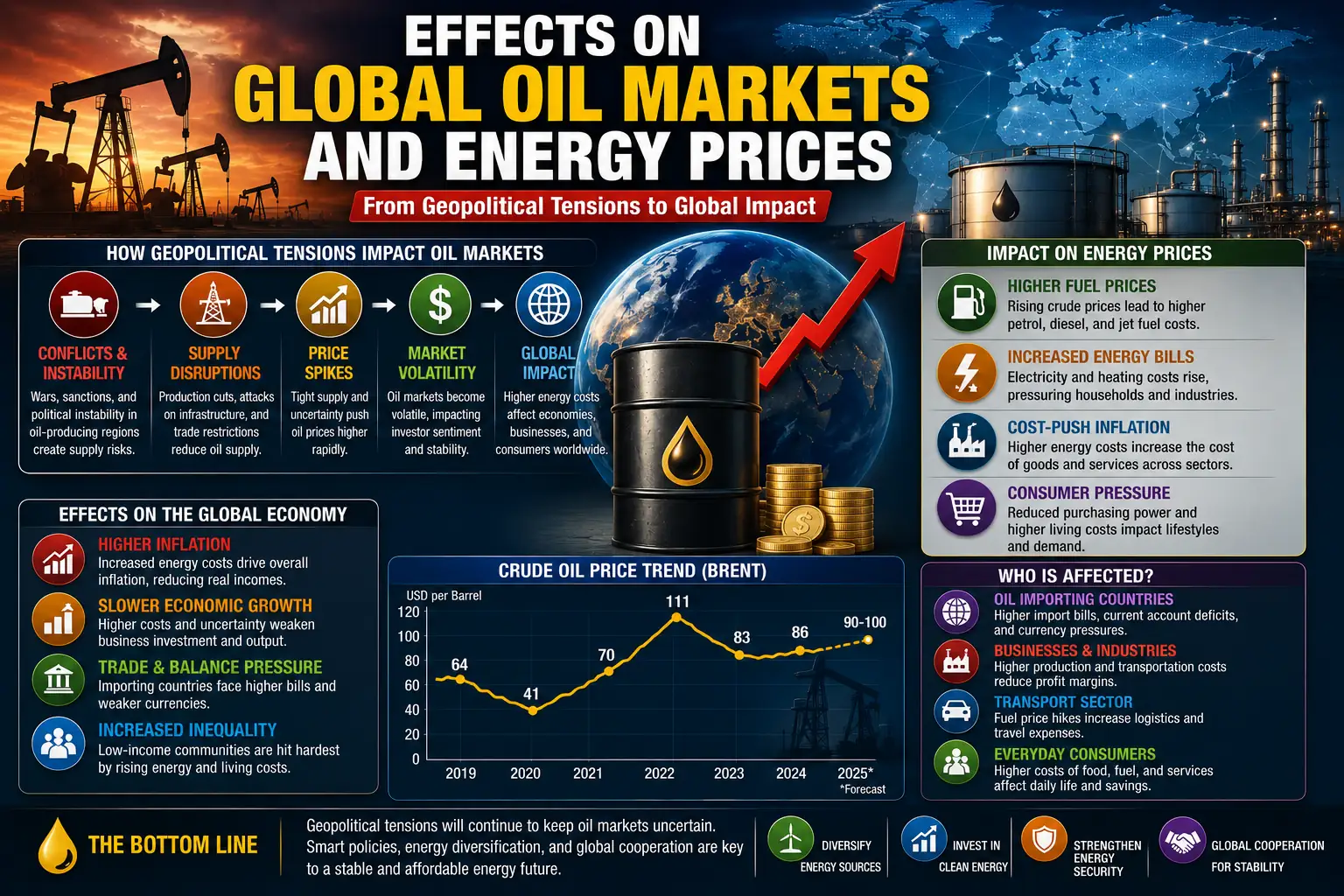
Moreover, global stock markets would also react positively if regional tensions ease over time. Stable oil prices could reduce pressure on transportation, manufacturing, and international trade. Consequently, consumers may experience lower fuel costs and improved economic confidence in many countries.
However, prolonged instability could weaken investor trust and slow global economic growth. Developing nations that depend heavily on oil imports may face rising inflation, currency pressure, and increasing public expenses. Furthermore, central banks could struggle to control economic uncertainty if energy prices continue fluctuating sharply.
Meanwhile, energy-producing countries might benefit temporarily from higher oil prices, but long-term instability would still create risks for global demand and international cooperation. Therefore, policymakers and financial institutions remain highly focused on Middle East developments and their broader economic consequences.
Conclusion on Iran USA ceasefire
The Iran USA ceasefire discussion reflects much more than a temporary political issue. It represents a major test for diplomacy, regional security, and global economic stability. Every decision made by world leaders now carries significant international consequences.
Moreover, Pakistan’s diplomatic role, Israel’s security concerns, and global economic pressures continue shaping the future of the region. Although uncertainty remains high, peaceful dialogue offers the strongest path forward. Ultimately, the success of the Iran USA ceasefire process could influence Middle Eastern politics and global stability for years to come.
Suggested Internal Links
- Iran USA War Update
- Imran Khan Biography and Pakistan Politics
- Middle East Crisis Analysis
- Future of the Middle East Political Order
- Middle East Crisis Scenarios
External Links
FAQ Section
What is the Iran USA ceasefire?
The Iran USA ceasefire refers to diplomatic efforts aimed at reducing tensions and preventing direct military conflict between Iran and the United States. Recent negotiations focused on regional stability and economic concerns.
Why is Pakistan important in this situation?
Pakistan maintains balanced relationships with multiple countries in the region. Therefore, it can support communication and peaceful diplomatic engagement between rival powers.
How does the conflict affect oil prices?
Middle East tensions often increase oil prices because investors fear supply disruptions. Consequently, global transportation and manufacturing costs may rise.
Why is Israel concerned about Iran?
Israel believes Iran’s regional activities could threaten its security interests. Therefore, Israeli leaders closely monitor diplomatic and military developments involving Tehran.
Can the Iran USA ceasefire bring long-term peace?
Long-term peace remains possible but challenging. Continued diplomacy, regional cooperation, and economic stability will play important roles in future progress.
Disclaimer
This article is for informational and educational purposes only. International political situations can change rapidly. Readers should follow official government statements and trusted news organizations for the latest verified updates.

Gul Fahad is the founder of Readsinfo and a content creator focused on Artificial Intelligence, Technology, Online Earning, and Education. He shares practical guides, digital learning resources, and real-world insights to help readers develop valuable skills and stay updated with modern trends.