Iran Currency Reform and the Removal of Four Zeros Explained
Introduction Iran currency reform has become a major topic in global economic discussions. The country is facing high inflation and a declining currency value. As a result, the government has decided to take an important step. This step involves removing four zeros from the national currency. Therefore, large numbers will become smaller and easier to…
Introduction
Iran currency reform has become a major topic in global economic discussions. The country is facing high inflation and a declining currency value. As a result, the government has decided to take an important step.
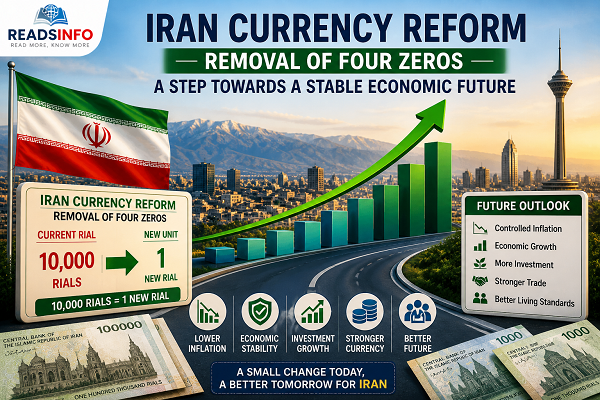
This step involves removing four zeros from the national currency. Therefore, large numbers will become smaller and easier to use. For example, 10,000 rials will become 1 new unit.
Moreover, this currency reform aims to improve financial stability. In addition, it reflects the serious economic challenges the country is facing today. Therefore, understanding this reform helps explain how economies deal with inflation.
Background of Iran Currency and Its Change
Historical Currency System in Iran
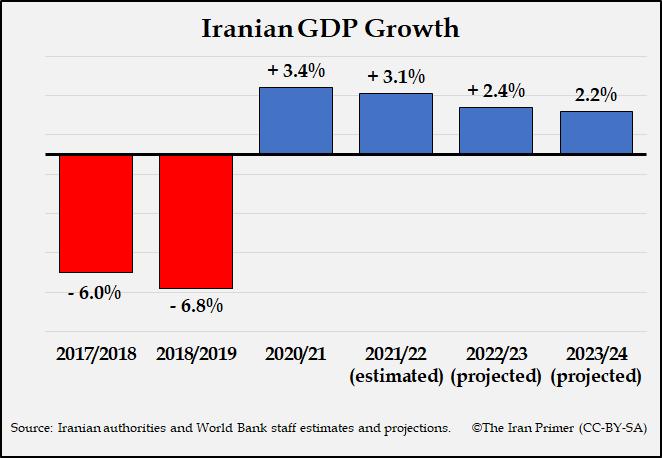
Iran has struggled with economic instability for many years. One of the biggest problems has been inflation, which has continuously increased the prices of goods and services. As a result, the purchasing power of the currency has weakened over time.
Rial as Official Currency
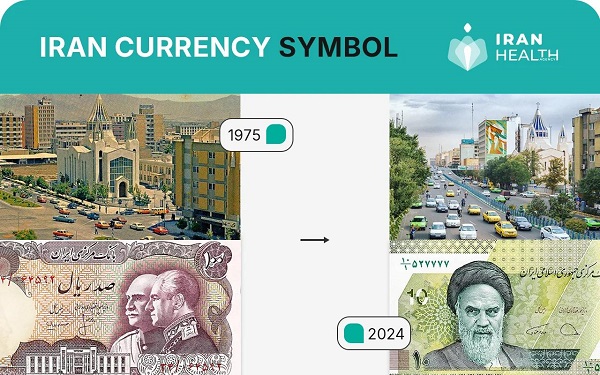
Historically, Iran uses the rial as its official currency. It is used in government records, banking, and official transactions. However, due to inflation, its value has declined significantly over time.
Use of Toman in Daily Life
However, in everyday life, people commonly use the toman. One toman equals 10 rials. Therefore, there has always been a gap between official currency use and practical transactions. This difference often creates confusion in pricing.
Confusion in Financial Transactions
Moreover, the use of two currency units has complicated financial activities. Businesses often face difficulty in maintaining records. Consequently, accounting systems become less efficient and more error-prone.
Impact of Inflation and Need for Change
Rising Inflation Over Time
Over time, inflation caused prices to increase sharply. For example, items that once cost a few hundred rials began to cost thousands and even millions. As a result, handling such large numbers became difficult.
Decline in Purchasing Power
In addition, high inflation reduced the purchasing power of people. Individuals could buy fewer goods with the same amount of money. Therefore, daily life became more expensive and challenging.
Loss of Public Confidence
Furthermore, continuous currency devaluation reduced trust in the financial system. People started relying on foreign currencies for stability. As a result, confidence in the rial weakened further.
Need for Currency Simplification
Finally, large numerical values created practical problems in transactions. Writing and calculating huge numbers increased the chances of errors. Therefore, Iran currency reform became necessary to simplify the system.
Current Situation of Iran Currency Change
Currently, Iran is moving forward with its currency reform plan. The government has approved removing four zeros from the rial.
This means:
- 10,000 rials will become 1 unit
- Prices will appear smaller and simpler
However, this reform does not change actual value. It only changes the way numbers are written. Therefore, people will not become richer overnight.
In addition, Iran is shifting towards the toman as the main currency unit. This matches how people already use money in daily life.
Causes Behind Iran Currency Reform
High Inflation
One of the main causes behind Iran currency reform is high inflation. Over the years, prices of goods and services have increased rapidly. As a result, the purchasing power of the rial has decreased significantly. Therefore, people face difficulty in managing daily expenses.
Currency Devaluation
Another major factor is currency devaluation. The Iranian rial has lost a large portion of its value against foreign currencies like the US dollar. In recent years, the exchange rate has reached extremely high levels, showing how weak the currency has become.
Economic Sanctions
Moreover, economic sanctions have played a critical role. International sanctions have reduced Iran’s oil exports and limited access to global markets. As a result, foreign currency inflow has decreased, putting further pressure on the rial.
Complex Financial System
Large numerical values create confusion in transactions. Businesses find it difficult to maintain records. Therefore, Iran currency reform aims to simplify the system and improve financial efficiency.
Future Outlook of Iran Currency Reform
Inflation Control Scenario
The future outlook of Iran currency change depends largely on inflation control. If inflation is reduced, the reform can succeed effectively. As a result, prices will stabilize, and the overall currency system will improve.
Currency Stability Challenges
However, the rial has reached very low values against global currencies. This indicates that without strong economic reforms, stability will remain a major challenge. Therefore, Iran currency alone cannot ensure long-term success.
Role of Sanctions and Trade
In addition, international sanctions and trade restrictions will also affect the outcome. If trade improves, the economy may recover and the currency may strengthen. On the other hand, continued sanctions may slow down economic growth.
Public Confidence and Awareness
Finally, public trust is very important for the success of Iran money reform. People must accept and understand the new system. Therefore, awareness campaigns can help reduce confusion and improve implementation.
Conclusion for Iran currency change
Iran currency change off is a major step towards simplifying the monetary system. It aims to reduce confusion caused by large numbers and improve financial efficiency. However, it does not solve inflation on its own.
Therefore, long-term success depends on strong economic policies. Inflation must be controlled, and the economy must be stabilized. Without these measures, the benefits of the reform may only be temporary.
In addition, Iran currency changing highlights the importance of structural economic changes. Governments must focus on improving trade, increasing production, and strengthening financial systems. Only then can the currency remain stable in the long run.
In conclusion, Iran money reform is an important and necessary step. However, it is only one part of a broader economic strategy, and its success will depend on effective policy implementation.
Internal Links for Iran currency reform
- Learn about inflation basics: https://readsinfo.com/what-is-inflation
- Understanding global economic crises: https://readsinfo.com/global-economic-crisis-explained
- How currency systems work: https://readsinfo.com/how-currency-works
- Effects of economic sanctions: https://readsinfo.com/economic-sanctions-effects
- Importance of financial stability: https://readsinfo.com/financial-stability-explained
Outbound Links for Iran currency reform
- International Monetary Fund (IMF): https://www.imf.org
- World Bank: https://www.worldbank.org
- Reuters: https://www.reuters.com
FAQs on Iran Currency Reform
Basic Understanding
1. What is Iran currency reform?
Iran currency reform is a plan to simplify the monetary system by removing four zeros from the rial. As a result, transactions become easier and more efficient.
2. Why is Iran implementing currency reform?
Iran is implementing currency reform to manage inflation and simplify daily transactions. Moreover, it helps reduce confusion caused by large numbers.
Currency Changes
3. What does removing four zeros mean in Iran currency change?
It means 10,000 old rials will become 1 new unit in the updated system. Therefore, calculations become simpler.
4. Will Iran currency reform increase the value of money?
No, it does not increase real value. Instead, it only changes how numbers are written.
5. How will Iran currency reform affect prices?
Prices will appear smaller. However, their actual value will remain the same.
Economic Impact on Iran currency policy change
6. How does Iran currency reform help the economy?
It simplifies accounting, improves transactions, and increases public confidence. As a result, financial systems become more efficient.
7. Does Iran currency change reduce inflation?
No, it does not directly reduce inflation. Instead, it addresses the effects of inflation.
8. What are the main causes of Iran currency reform?
High inflation, economic sanctions, currency devaluation, and complex transactions are the main causes. Therefore, reform becomes necessary.
System and Implementation for Iran currency redenomination
9. What is the difference between rial and toman in Iran?
1 toman equals 10 rials. In addition, toman is commonly used in daily transactions.
10. Will old currency notes still be used after reform?
Yes, both old and new currencies may be used during the transition period. As a result, people can adjust gradually.
11. How long will Iran currency reform take to implement?
It may take several years. Therefore, full implementation requires time and planning.
Challenges and Future of Iran currency redenomination
12. What challenges does Iran currency reform face?
Challenges include public confusion, high costs, and economic instability. However, proper planning can reduce these issues.
13. How will businesses adapt to Iran currency reform?
Businesses will update pricing systems, accounting records, and financial processes. As a result, operations will align with the new system.
14. Is Iran currency reform similar to other countries?
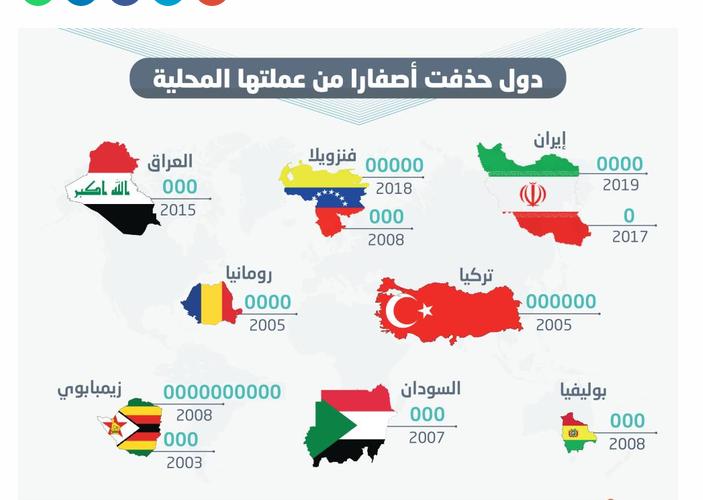
Yes, countries like Turkey have also removed zeros. Therefore, similar reforms have been implemented globally.
15. What is the future of Iran currency reform?
Its success depends on controlling inflation and improving economic conditions. In conclusion, strong policies are essential for long-term stability.

Gul Fahad is the founder of Readsinfo and a content creator focused on Artificial Intelligence, Technology, Online Earning, and Education. He shares practical guides, digital learning resources, and real-world insights to help readers develop valuable skills and stay updated with modern trends.