Pakistan Inflation Crisis 2026 – Detailed Analysis of Rising Prices
Pakistan Inflation Crisis 2026 – Detailed Analysis of Rising Prices
Introduction
Pakistan inflation 2026 has become one of the most serious economic challenges facing the country. In recent months, the prices of essential goods, fuel, and utilities have increased rapidly, placing heavy pressure on households.
For many families, especially those belonging to middle- and lower-income groups, managing daily expenses has become increasingly difficult. The rising cost of living is not only affecting individuals but also creating long-term economic challenges.
This article provides a complete analysis of Pakistan inflation 2026, including its background, causes, impact, and future outlook.

Background of Pakistan Inflation 2026
Inflation has been a long-standing issue in Pakistan’s economy. Over the years, several structural problems have contributed to rising prices.
One major factor is Pakistan’s heavy reliance on imports. The country imports fuel, machinery, and many essential goods. When international prices increase, Pakistan directly faces inflationary pressure.
Another key factor is the depreciation of the Pakistani Rupee. As the value of the currency falls against the US dollar, imported goods become more expensive, which increases overall inflation.
In 2026, these existing issues have intensified, resulting in higher inflation levels.

Current Situation of Inflation in Pakistan
At present, inflation in Pakistan is affecting almost every sector. Food prices have increased significantly, making basic items like flour, sugar, and vegetables less affordable.
Fuel prices have also risen sharply. This increase directly impacts transportation costs, which then raises the prices of goods.
Electricity tariffs have also gone up, increasing utility bills for households. Reduced government subsidies have further added to this burden.
Overall, Pakistan inflation 2026 has made daily life more difficult for millions of people.
Causes of Pakistan Inflation 2026
Currency Devaluation in Pakistan inflation 2026
The depreciation of the Pakistani Rupee is one of the main causes of inflation. A weaker currency increases the cost of imports, which raises local prices.

Rising Global Prices and Inflation in Pakistan
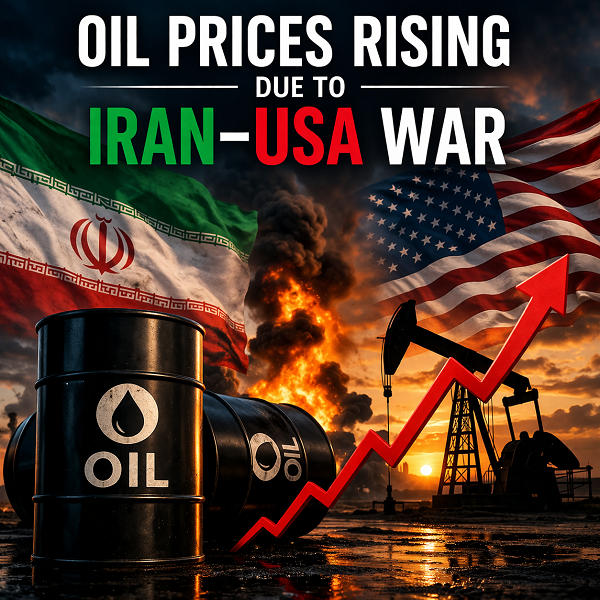
Global oil and commodity prices have increased, directly affecting Pakistan’s economy.
Government Policies and Rising Prices
Tax increases and subsidy reductions have contributed to rising prices. While these measures may support long-term stability, they increase short-term financial pressure.
Supply Chain Issues in Pakistan
Disruptions in supply chains increase production and distribution costs, leading to higher prices.
Political Instability and Economy
Political uncertainty reduces investment and economic confidence, indirectly contributing to inflation.
Impact of Rising Prices on People
Pakistan inflation 2026 has serious effects on everyday life.
Reduced Purchasing Power
People can buy fewer goods with the same income, as prices are rising faster than wages.
Increase in Poverty
Low-income families are struggling to afford basic necessities such as food and healthcare.
Rising Unemployment
Businesses facing higher costs may reduce hiring or lay off workers.
Economic Impact on Pakistan
Inflation also affects the overall economy.
- Businesses face higher production costs
- Investment decreases due to uncertainty
- Economic growth slows down
This creates a cycle where inflation continues to rise, making economic stability harder to achieve.
Why Inflation in Pakistan is Dangerous
Pakistan inflation 2026 highlights deeper structural problems in the economy. The country’s dependence on imports makes it vulnerable to global price increases.
Additionally, weak industrial development limits local production. This increases reliance on imported goods, further driving inflation.
Poor long-term planning has worsened the situation. Without major reforms, inflation may continue for a longer period.
Future Outlook of Pakistan Economy
The future of inflation in Pakistan depends on several key factors.
Economic Reforms in Pakistan
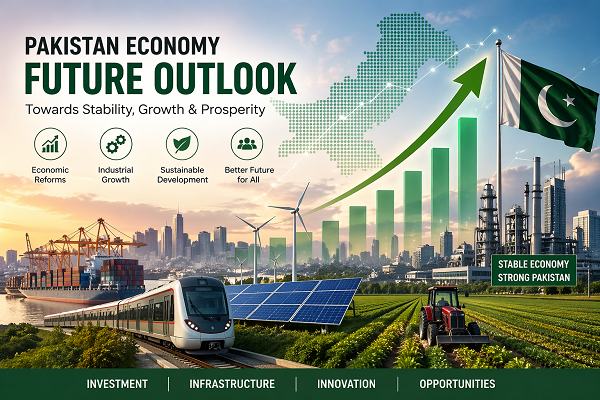
Strong government policies can help stabilize the economy and reduce inflation.
Promotion of Local Production and Pakistan inflation 2026
Increasing domestic production can reduce reliance on imports.
Global Economic Stability
Improvement in global economic conditions can ease inflation pressure.
If these steps are implemented effectively, inflation may gradually decrease.
Conclusion on Pakistan inflation 2026
Pakistan inflation 2026 is a major challenge affecting both individuals and the economy. Rising prices, reduced purchasing power, and economic uncertainty are serious concerns.
Understanding the causes and effects of inflation is essential for finding long-term solutions. Strong policies and economic reforms are necessary to control inflation and improve living standards.
INTERNAL LINKS
- https://readsinfo.com (current affairs articles)
- https://readsinfo.com (economic analysis posts)
- https://readsinfo.com (latest updates section)
EXTERNAL LINKS
- State Bank of Pakistan
- World Bank Pakistan
https://www.worldbank.org/en/country/pakistan
- IMF Pakistan reports
https://www.imf.org/en/Countries/PAK
FAQ SECTION
What is Pakistan inflation 2026?
It refers to the rapid increase in prices of goods and services in Pakistan during 2026.
Why is inflation increasing in Pakistan?
Due to currency devaluation, global price increases, and economic policies.
How does inflation affect people?
It reduces purchasing power and increases the cost of living.
Can inflation be controlled?
Yes, through economic reforms and increased local production.