Iran–US–Israel War 2026: Latest Updates Impact & Outlook
Iran–US–Israel War 2026: Latest Updates Impact & Outlook
Introduction
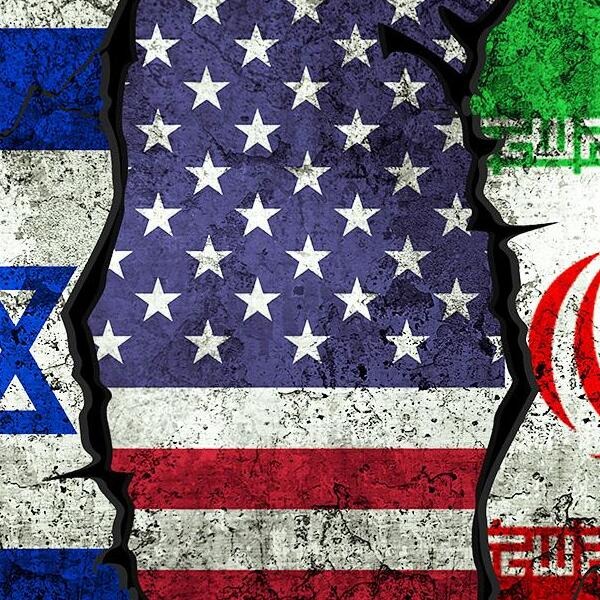
The Iran–US–Israel War 2026: Latest Updates Impact & Outlook has escalated into one of the most serious global conflicts in recent history. What began as coordinated military strikes has now developed into a prolonged and complex war involving multiple regions, armed groups, and global powers.
As the situation continues to evolve rapidly, the conflict is not only reshaping the Middle East but also impacting the global economy, energy markets, and international relations. This article provides a complete and up-to-date overview of the current war situation, its causes, and what may happen next.
Background of the War
The current conflict officially began on February 28, 2026, when the United States and Israel launched large-scale airstrikes on Iranian military and nuclear facilities.
The strikes targeted:
- Military bases
- Nuclear infrastructure
- Senior leadership
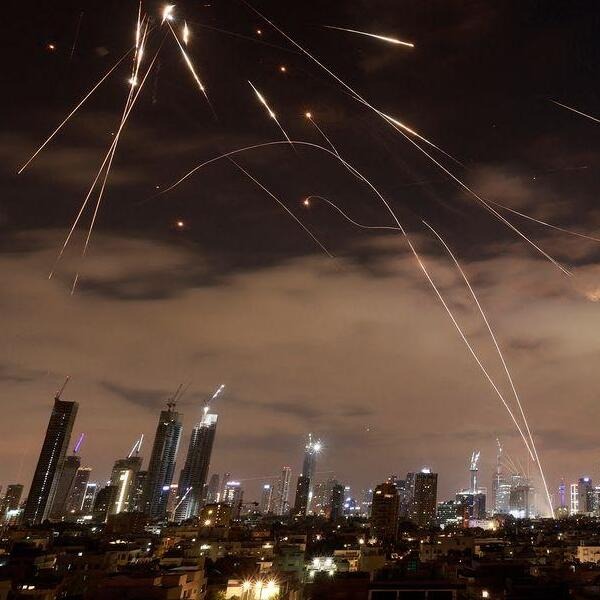
This initial attack triggered a strong response from Iran, which launched missiles and drones targeting Israel and U.S. bases across the Middle East.
Long-standing tensions over Iran’s nuclear ambitions, regional influence, and political ideology played a major role in leading to this war.
Current War Situation (April 2026)
The war has now entered a dangerous phase, with continuous military actions and rising casualties.
Iran–US–Israel War 2026: Latest Updates Impact & Outlook
Air Combat and Downed Aircraft
One of the most significant recent developments is the downing of U.S. warplanes by Iran. Reports confirm that at least two American aircraft were shot down, and a pilot is still missing.
This event highlights that:
- Iran still has strong air defense systems
- The conflict is becoming more intense and unpredictable
Even rescue missions have come under fire, showing the high risk faced by military forces in the region.
Missile Attacks on Israel
Iran continues to launch missile barrages toward Israeli cities, targeting both military and civilian areas.
Some attacks have:
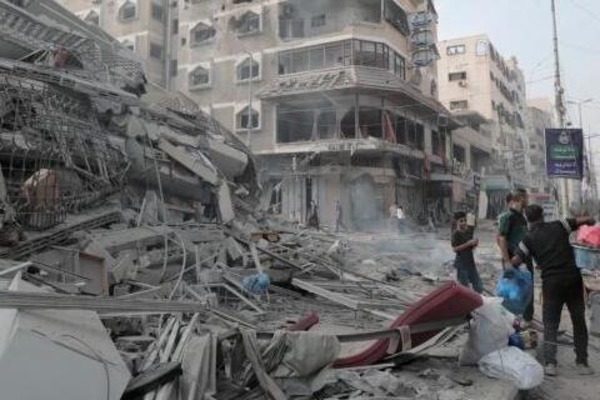
- Damaged residential buildings
- Injured civilians
- Triggered emergency responses
Despite Israel’s advanced defense systems, several missiles have successfully reached their targets.
Israeli and U.S. Counterstrikes
In response, Israel and the United States have intensified their operations:
- Airstrikes on Iranian infrastructure
- Attacks on allied groups like Hezbollah
- Strategic strikes in Lebanon and surrounding regions
Israeli forces alone have targeted thousands of sites linked to Hezbollah, aiming to weaken Iran’s regional network.
Expansion of the Conflict
The war is no longer limited to Iran and Israel. It has expanded across the region:
- Hezbollah in Lebanon has joined the conflict
- Houthi forces in Yemen have launched missile attacks
- U.S. bases across the Gulf region are under threat
This expansion increases the risk of a wider regional war.
Humanitarian Crisis
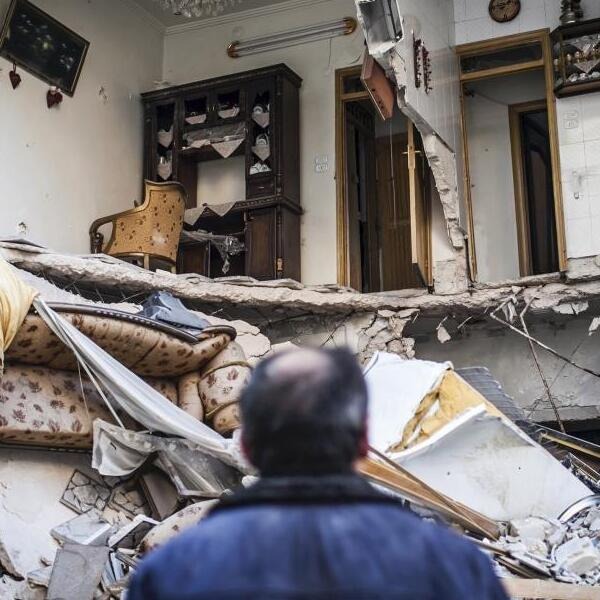
One of the most serious consequences of the war is its impact on civilians.
- Thousands of innocent public have been killed
- Millions have been displaced
- Many Children have been affected
Reports indicate that hundreds of children have died and many more injured, while schools and essential infrastructure have been destroyed.
The destruction of homes, hospitals, and education systems is creating long-term humanitarian challenges.
Economic and Global Impact
The effects of this war are being felt worldwide.
1. Energy Crisis
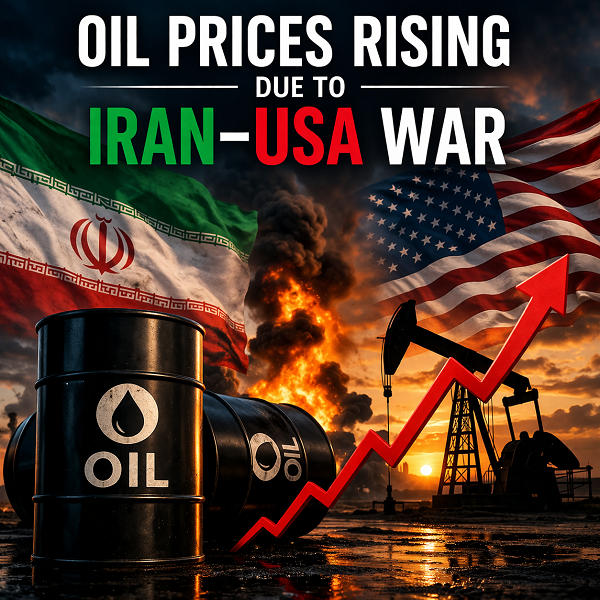
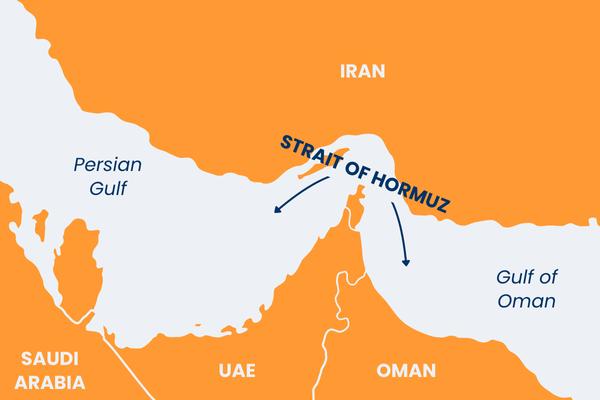
The conflict has disrupted key oil routes, especially near the Strait of Hormuz, one of the most important oil transit points in the world.
- Oil prices are rising globally
- Supply chains are under pressure
2. Global Economic Instability
Financial markets are reacting negatively to the uncertainty:
- Stock markets are fluctuating
- Inflation risks are increasing
- Trade disruptions are affecting multiple countries
3. Travel Disruptions
Air travel across the Middle East has been heavily affected:
- Flights canceled or rerouted
- Increased travel costs
- Safety concerns for airlines
Military Strength and Strategy
United States & Israel
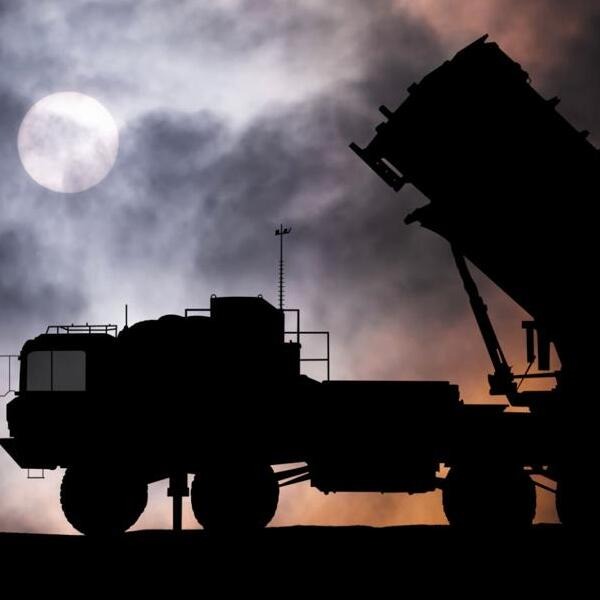
- Advanced fighter jets and technology
- Strong intelligence and surveillance systems
- Global military reach
Iran
- Large missile arsenal
- Strong regional allies
- Ability to use asymmetric warfare tactics
Although Iran has suffered damage, it continues to demonstrate resilience by launching attacks and defending its territory.
Why the War Started
Several key factors are belongs to the war:
Nuclear Tensions
Concerns over Iran’s nuclear program have been a major source of conflict for years.
Regional Influence
Iran’s involvement in countries like Syria, Iraq, and Lebanon has created tensions with Israel and the U.S.
Failed Diplomacy
Negotiations between Iran and Western countries broke down shortly before the war began.
Strategic Military Decisions
The initial strikes by the U.S. and Israel were aimed at weakening Iran quickly, but they triggered a larger conflict.
Possible Future Scenarios
The future of this war remains uncertain, but experts suggest three possible outcomes.
Continued Escalation
The war could intensify further, leading to more destruction and casualties.
Controlled Conflict
Fighting continues but remains limited to the region without global escalation.
Diplomatic Solution
Peace talks may eventually begin, although current tensions make this difficult.
Despite some claims that the war may end soon, fighting continues actively on multiple fronts.
Role of Global Powers
All the world and nearest countries are monitoring the war situation:
- Russia and China may support Iran politically
- European nations are trying and work hard for peace
- Gulf countries are being avoided for direct involvement
The conflict is also affecting global alliances and diplomatic relations.
Conclusion
The Iran–US–Israel war of 2026 is a complex and evolving conflict with serious consequences for the Middle East and the world. From intense military operations to a growing humanitarian crisis and global economic instability, the war continues to shape international politics.
While all sides remain engaged in active combat, the need for a peaceful resolution is becoming more urgent. The coming weeks will be critical in determining whether the conflict escalates further or moves toward negotiation and stability.